Our Team of Experts
Meet our wider team, embedded on-campus analysts, and digital research trainers driving digital capabilities across member institutions.

Role: Digital Research Services Manager
Institution: Intersect Central
Aidan Wilson is Intersect's Digital Research Services Manager, helping supervise and mentor the team of Digital Research Analysts based on site at member universities, and managing Intersect's training program. Prior to this role, Aidan was the DRA at Australian Catholic University, where his role included administering the REDCap system, delivering user training, and supporting ACU's users with consultation and advice. Since joining Intersect as a Digital Research Analyst in 2015, he has worked across several universities with research from a diverse range of disciplines. He is also a REDCap developer, having published several External Modules, and is active in the consortium community, assisting other administrators with tips, tricks, and troubleshooting. Aidan has a Masters by Research in Linguistics from Melbourne University, where his research was focused on the verb morphology of the Traditional Tiwi language, from the Tiwi Islands, Northern Territory. He has 9 years of experience at PARADISEC as data manager, archive systems officer; 7 years as Field Linguist and researcher.
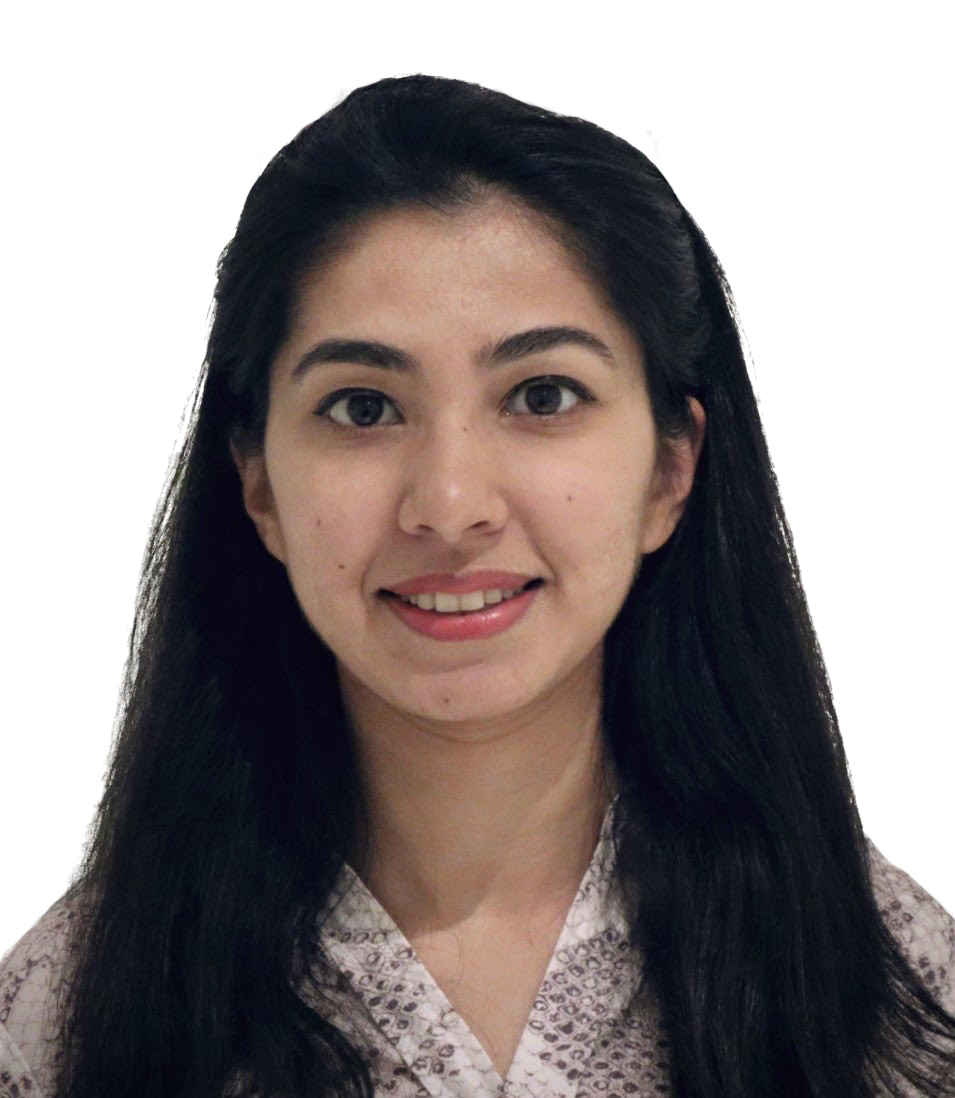
Role: Services Transformation Specialist
University: Adelaide University
Email: marium@intersect.org.au
Services Transformation Specialist supporting research transformation, process optimization, data collection workflows, and user engagement across Intersect member institutions.
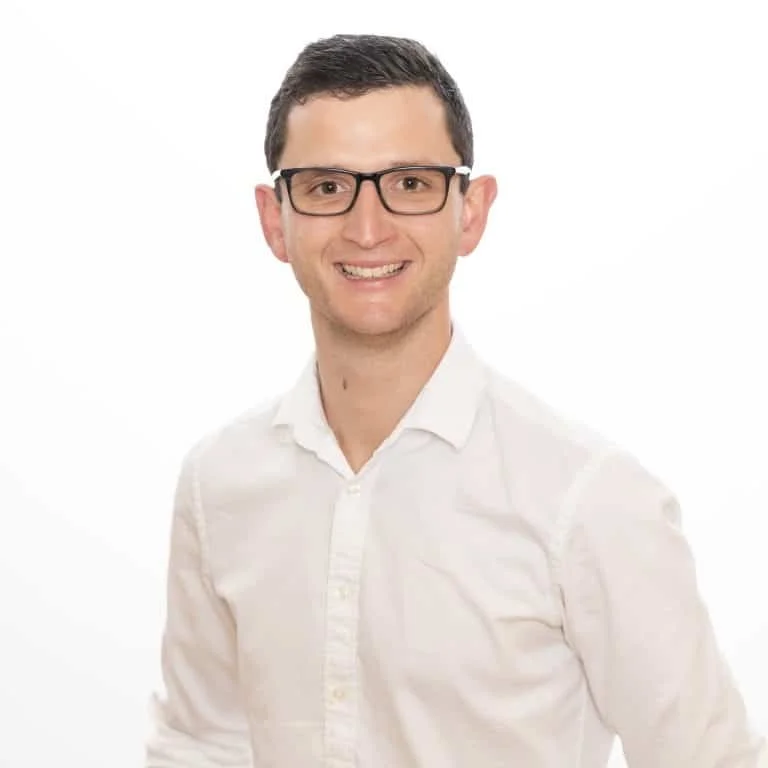
Role: Lead Data Science
Email: info@intersect.org.au
Heads Intersect's 3AI platform, engineering custom machine learning applications, deep neural networks, and advanced predictive analytics for complex research projects.
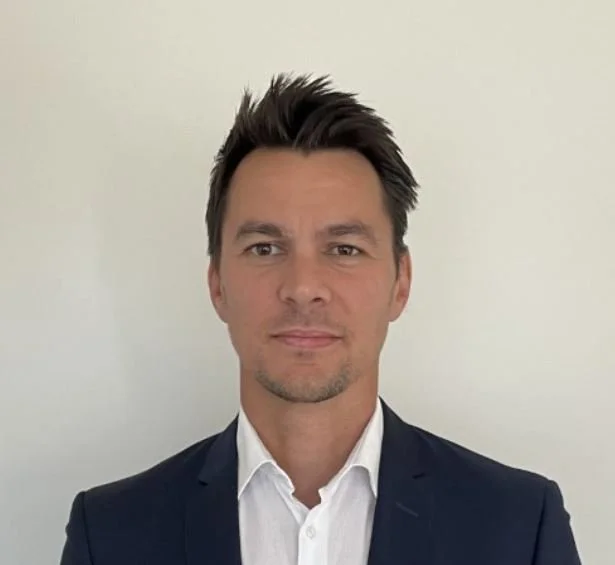
Role: Member Engagement Manager
Email: enquiries@intersect.org.au
Leads strategic member engagement and institutional relationships across Intersect’s member universities and research organizations.
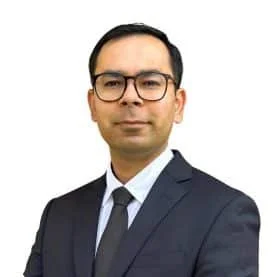
University: Adelaide University & Flinders University
Location: Adelaide, SA
Email: ankit@intersect.org.au
Dr Ankit Beniwal is a Digital Research Analyst (DRA) at Adelaide University and Flinders University, commencing his role in mid-May 2024. He holds a PhD in Theoretical Physics from the University of Adelaide and has garnered extensive research experience during his tenure as an associate at King's College London, UK, and UCLouvain, Belgium, over a period of 5 years. Transitioning to the industry, Ankit brings over 8 years of expertise in utilising diverse programming software and operating high-performance computing systems. He is dedicated to supporting the research community by offering personalised consultation sessions, delivering hands-on digital skills training (Python, R, REDCap, Qualtrics), and assisting researchers in navigating advanced computing environments such as NCI Gadi HPC and the ARDC Nectar Research Cloud.
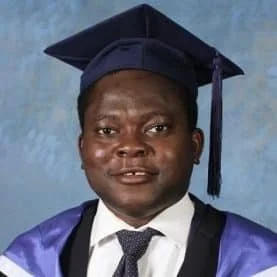
Ayodeji Ladeinde is Intersect's Digital Research Analyst at Deakin University where his role includes administering the University's REDCap instance, delivering user training, and supporting researchers towards achieving their goals and outcomes. Before his current role, he worked overseas at a Reserve Bank for over 10 years, leading process improvement and policy development for secondary market operations as well as managing the Real-Time Gross Settlement System. DJ has a Masters in Data Science from Deakin University, He discontinued his PhD at Monash University in June 2023 due to family commitments and his research was focused on the use of graph databases for requirements analysis.
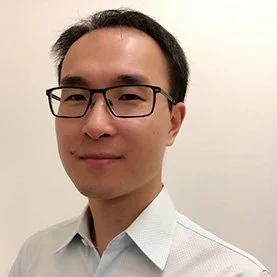
Jeff Wang is the Intersect Digital Research Analyst for Western Sydney University, with a research background in Computational Chemistry. He is the WSU Qualtrics Brand Admin and one of the WSU REDCap administrators. Jeff has more than 7 years' experience in delivering training courses and supporting researchers on the use of digital research tools, such as Qualtrics, REDCap, and Excel.
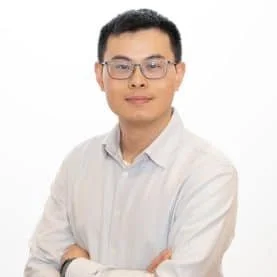
University: University of Technology Sydney (UTS)
Location: Sydney
Dr Jianzhou Zhao is a Digital Research Analyst at the University of Technology Sydney (UTS), working jointly with Intersect and the UTS eResearch team. Holding a PhD in Photovoltaics and Renewable Energy Engineering, Jianzhou brings over a decade of experience as a digital research training instructor and coursework demonstrator, alongside a proven track record in project management and research assistance.
Jianzhou transitioned into his current role at UTS in 2023. He collaborates across institutions to drive the development and delivery of robust eResearch solutions, focusing on high-performance research computing, data collection pipelines, advanced analytics and reporting, training delivery, and tailored technical consultations for researchers.
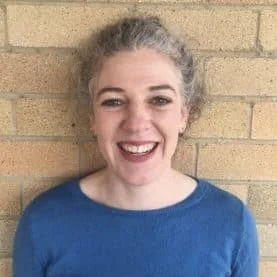
Peta Scott has been the Intersect Digital Research Analyst at the University of New England since late 2018. Peta has a broad research background spanning environmental science, mental health, higher education, learning analytics, and behavioural economics. Peta has expertise in both qualitative and quantitative research methods, practices, and software with specialisations in R programming, SPSS, Qualtrics, and NVivo. Peta also p rides her work on strategic projects at UNE focussing on business improvements. Peta enjoys supporting researchers by simplifying complicated programs and processes. Peta has years experience in higher education research, corporate analysis and strategic projects.

Alistair Walsh helps University of New England researchers find practical ways to use technology in their work. Through his role at Intersect, he teaches programming, data analysis and machine learning, making these tools accessible to people with different levels of technical experience. His approach starts with what researchers want to achieve, then helps them develop the skills and choose the tools to get there.
Alistair’s background combines psychology and cognitive neuroscience with doctoral research at La Trobe University, exploring brain networks and recovery after stroke using artificial intelligence and machine learning. He has also worked as a research database manager at the Florey, using REDCap and SQL. This combination of research, teaching and hands-on technical experience informs his approach to helping researchers build skills and work confidently with their data.
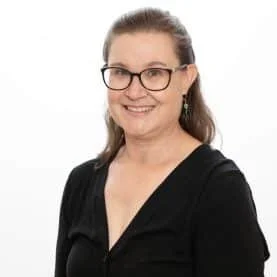
Dr Katherine Howard is Intersect Australia's Digital Research Analyst for Adelaide University. She supports AU researchers by providing expertise in various digital tools and technologies, facilitating access to NCI's HPC (Gadi), and coordinating Intersect's training program for AU staff and students. Katherine's background is in Information Science and she has extensive national and international experience as a researcher and academic. Katherine was most recently a Research Fellow with the ARC-funded 'Library and Information Science Research in Australia' (LISRA) project, aimed at enabling and encouraging research in Australia's library and information profession.
Prior to this, she was an Early Career Development Fellow at RMIT; has held academic positions at QUT and the University of South Australia; and undertaken sessional work with Curtin University and Charles Sturt University. Dr Howard has received many scholarships and research awards. She was awarded a two-year scholarship to undertake the Erasmus Mundus International Master in Digital Library Learning, studying with world-renowned Information Science scholars in Norway, Estonia and Italy. Katherine was the first person outside of North America to win a Eugene Garfield Doctoral Dissertation Fellowship, and her PhD, completed at QUT, was nominated for an Outstanding Doctoral Thesis Award.
Katherine remains an active researcher, currently working on an ARC Discovery Project investigating how public libraries develop social capital. Her emerging area of research is focussed on AI as epistemic infrastructure and how researchers develop epistemic trust in AI-augmented research environments.
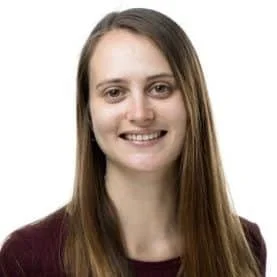
Olivia Davies is a Digital Research Analyst based at Australian Catholic University. She has a background in biological sciences, having completed a PhD in molecular and evolutionary biology applied to Australian's glorious native bees. Olivia has also worked in local government on the challenges of climate change resilience and mitigation in the community. With 8+ years experience in data and statistics teaching, Olivia is passionate about meaningful, straightforward, and best practise application of data analysis to problem-solving and research.
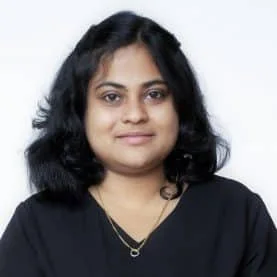
Dr Sesa Singha Roy has 7+ years of teaching and training experience and 9+ years in research. Sesa has delivered hands-on training in programming, research tools, and data visualisation to researchers and students at universities across Australia, and has taught and supervised more than 30 capstone data science/computer science teams at Monash University. With a PhD in Data Science and AI from Monash, Sesa specialises in computer vision, machine learning, and generative AI. Her research introduced a new way of identifying ecological insights about insects’ habitats from photograph backgrounds. Her recent work focuses on the safety of medical imaging AI and on large language model applications. Sesa was awarded an Intersect STAR Achiever Award in 2026 and received a very high student evaluation score from Monash University.
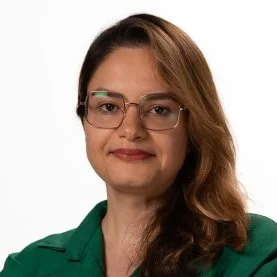
Dr Sahar Masoudian is a Digital Research Analyst at Intersect, based at the University of Canberra. She holds a PhD in Applied Mathematics from the University of New South Wales. Her research focused on applying stochastic approaches to bushfire research to incorporate uncertainty related to environmental inputs into the modelling process. Since 2016, she has been tutoring and teaching statistics and mathematics courses at various universities.
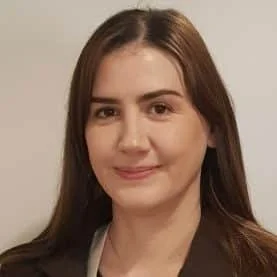
Natalie brings a strong background in digital research and learning design. She completed her PhD in Analytics at UTS, where she developed an innovative literary visualisation technique. She also has extensive experience as a Casual Academic and Research Assistant at UTS, and previously worked as a Learning Designer and Project Lead at Guroo Learning, creating learning solutions for various clients, including universities. Her skills include strong communication, data analysis, and an ability to translate technical information for non-technical audiences.
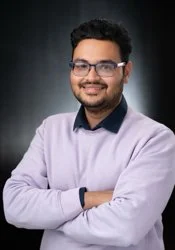
University: Adelaide University
Location: Adelaide
Dr Rudrarup Bhattacharjee (Rudra) is a Digital Research Analyst (DRA) with Intersect Australia, supporting researchers across Adelaide University. Holding a PhD in Neurogenetics, Rudra brings extensive expertise in human genetic neurodevelopmental disease research, stem cell biology, and 3D brain organoid modeling.
With a background in state of the art biological modeling and data-intensive life science research (see scholarly works in https://tinyurl.com/2apxhjff), Rudra combines domain expertise with digital research support to help researchers optimize their workflows, manage complex datasets, and harness advanced eResearch tools. At Intersect, Rudra provides expert advice, technical guidance, and tailored training to empower the Adelaide University research community to accelerate their scientific impact.
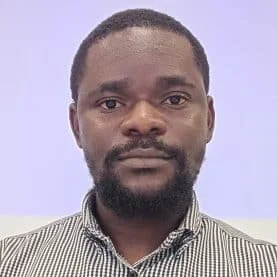
Mr. Iko-Ojo Simon, BSc, MSc, is a PhD candidate researching Algorithm Debt in Machine Learning and Deep Learning Systems. He earned his Bachelor's (Hons.) and Master of Science (MSc) degrees in Computer Science from the University of Jos, Nigeria. Prior to starting his PhD, Iko-Ojo served as an Assistant Lecturer in the Department of Computer Science at the University of Jos, where he was involved in both research and teaching in the areas of Computer Science and Software Engineering. He is currently a sessional academic at the Australian National University, where he tutors students in various Computer Science courses.
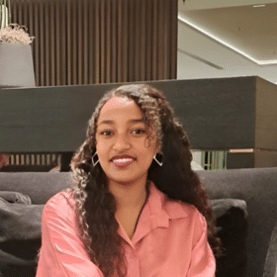
Eskedar Mekonnen is a Digital Research Trainer at Intersect Australia. She is also a PhD candidate at the Robinson Research Institute, University of Adelaide. With a background in Epidemiology, Eskedar possesses extensive skills in research design and analysis. Eskedar has years of experience working with diverse data types and analysis methods, including Machine Learning and longitudinal data collection and analysis. She is skilled in various research software programs, including R, Qualtrics, and REDCap.
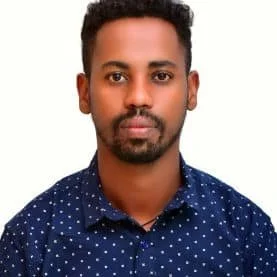
Leta holds a Bachelor's degree in public health from Dilla University (2017) and a Master's of Public Health in Epidemiology from Jimma University (2020), Ethiopia. He has served as a lecturer and researcher at Salale University, where he taught courses such as Epidemiology, Research Methods, and Data Management while also taking on various academic positions. Currently, Leta is pursuing a PhD in Genetic Epidemiology, focusing on the intriguing roles of human endogenous retroviruses in neurodegenerative diseases.
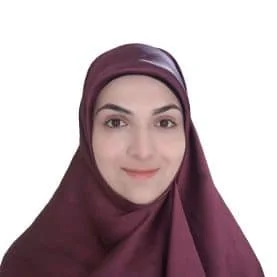
University / Institution: University of Sydney / Intersect
Location: Sydney
Email: laura@intersect.org.au
Dr Laura Haidar is an e-Research Trainer at Intersect Australia, where she delivers digital training programs to university-based researchers across a range of disciplines. Her role involves helping researchers build their technical capabilities, develop confidence with digital research tools and technologies, and enhance their research workflows. She provides training across a range of software and research tools, including Python, R, Excel, NVivo, SPSS, Qualtrics, and more, tailoring her approach to different levels of technical experience and research needs.
She holds a PhD in Applied Physics from the University of Sydney, where she developed extensive experience in experimental research, particularly in plasma science, spectroscopy, microscopy, and data analysis. Her background also includes scientific instrumentation, computational tools, undergraduate teaching, student mentoring, and STEM outreach. Passionate about education and knowledge sharing, she enjoys making complex technical concepts accessible, fostering engaging learning environments, and empowering researchers to make effective use of technology in their work.
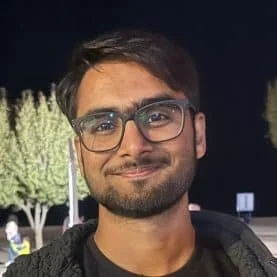
Murtaza is a PhD candidate at the University of Melbourne researching privacy-preserving, secure and distributed machine learning paradigms. He completed his Bachelor of Engineering with First Class Honours from Monash University in 2022. Prior to his PhD, Murtaza worked as a Software Engineering Analyst at Goldman Sachs, where he designed distributed systems and AI-driven automation for financial workflows. He is currently a Sessional Academic at the University of Melbourne, where he tutors students in Distributed Systems and Cluster and Cloud Computing. He is also a Digital Research Trainer at Intersect, delivering training in digital and computational research tools to researchers across Australian universities.
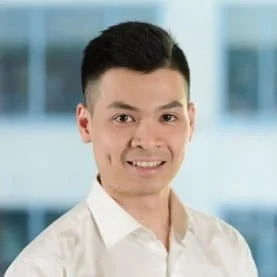
Vu is a PhD candidate at the University of New South Wales (UNSW), where his research focuses on multimodal self-supervised learning for Earth observation using SAR and optical imagery. He completed a Master of Information Technology (AI, Data Science and Engineering) with Excellence at UNSW in 2023. Alongside his research, Vu has experience in developing computational tools and delivering training in programming and digital workflows. Prior to pursuing his PhD, he worked as a Computational/Structural Engineer at Stantec, where he developed automation tools and delivered tutorials to support the adoption of digital workflows. He also mentored students at UNSW and led peer-learning Python sessions in industry. Vu is currently a Digital Research Trainer at Intersect Australia and an intern in the 3AI team, where he delivers training in digital research tools and contributes to interdisciplinary applied AI research.
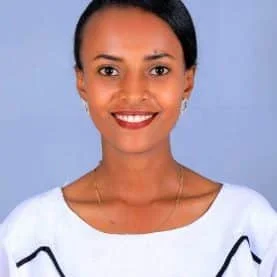
Beminate Lemma Seifu is a PhD candidate at Monash University, based at the Monash Centre for Health Research and Implementation. Her research focuses on developing and validating risk prediction models for gestational diabetes mellitus (GDM), with an emphasis on integrating Artificial intelligence to improve predictive accuracy and clinical applicability. She holds a Master of Public Health in Biostatistics and has extensive experience in epidemiological research, advanced statistical modelling, and data science using R, Python, and STATA. Beminate has authored over 70 peer-reviewed publications in maternal and child health, reproductive health, and nutrition, contributing significantly to global health evidence, particularly in Sub-Saharan Africa. Beminate also has strong academic teaching experience, having served as a Lecturer in Biostatistics and Assistant Lecturer in Public Health, where she taught undergraduate and postgraduate courses, supervised research students, and mentored future public health professionals. Her work is driven by a commitment to methodological rigor, transparency, and the translation of data science into clinically meaningful insights for improving maternal health outcomes.
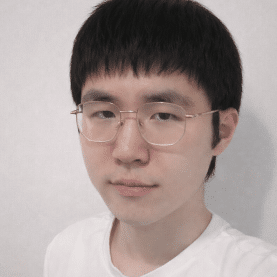
Yuhao is a PhD researcher at unimelb specializing in multimodal machine learning and robust learning under noisy labels, with a particular focus on healthcare data such as electronic health records. His research explores multimodal fusion, label noise modelling, and explainable AI for medical applications. Alongside his research, he teaches as a casual tutor in statistics and linear statistical models, and mentors students in data science and machine learning.
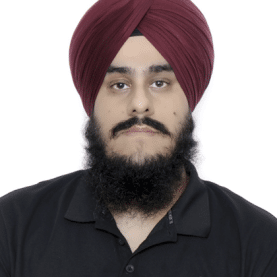
Prabhjot is currently pursuing a PhD in Quantum Machine Learning at the University of Melbourne. He holds a Master of Mathematics in Computer Science from the University of Waterloo (Canada), where his thesis focused on website fingerprinting on LEO satellite internet, and a Bachelor of Computer Engineering from Thapar Institute of Engineering and Technology (India). Prabhjot is an interdisciplinary researcher with expertise spanning quantum machine learning, cybersecurity, and AI. He currently serves as a Sessional Academic at the University of Melbourne, where he tutors students in Distributed Systems and mentors data science projects. Previously, he worked as a Graduate Research Assistant at the University of Waterloo, developing machine learning frameworks for network security, and as a Consulting Engineer at Cisco Systems, where he designed and deployed network security solutions for enterprise clients. His research has been published at venues including NDSS, ACM WPES, and the IEEE Internet of Things Journal.
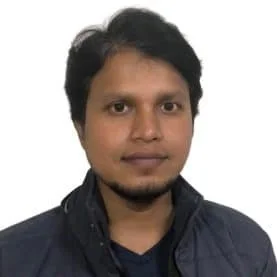
Emran is a PhD researcher at Deakin University in Australia jointly with Coventry University in the UK. His research focuses on applied artificial intelligence and machine learning (ML) in healthcare, including predictive and diagnostic systems, epilepsy and sleep disorder detection, and biosignal analysis. He is also interested in applying AI, ML and Agentic AI to other areas including business problems.
He holds a Master of Science by Research in Information Technology from Deakin University and a Bachelor of Science in Computer Science and Engineering from Hajee Mohammad Danesh Science and Technology University in Bangladesh.
Emran has 10+ years of university teaching experience, 3+ years of institutional training experience, and 3+ years of software development experience from Australia and Bangladesh. Outside of work, he enjoys gardening, photography, cooking, hiking, camping, volunteering, listening to podcasts, and contributing to open-source projects.
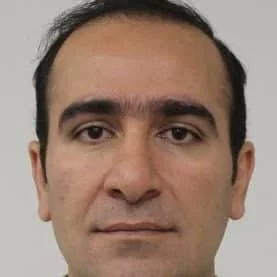
Digital Research Trainer providing training in computational workflows and data management skills.
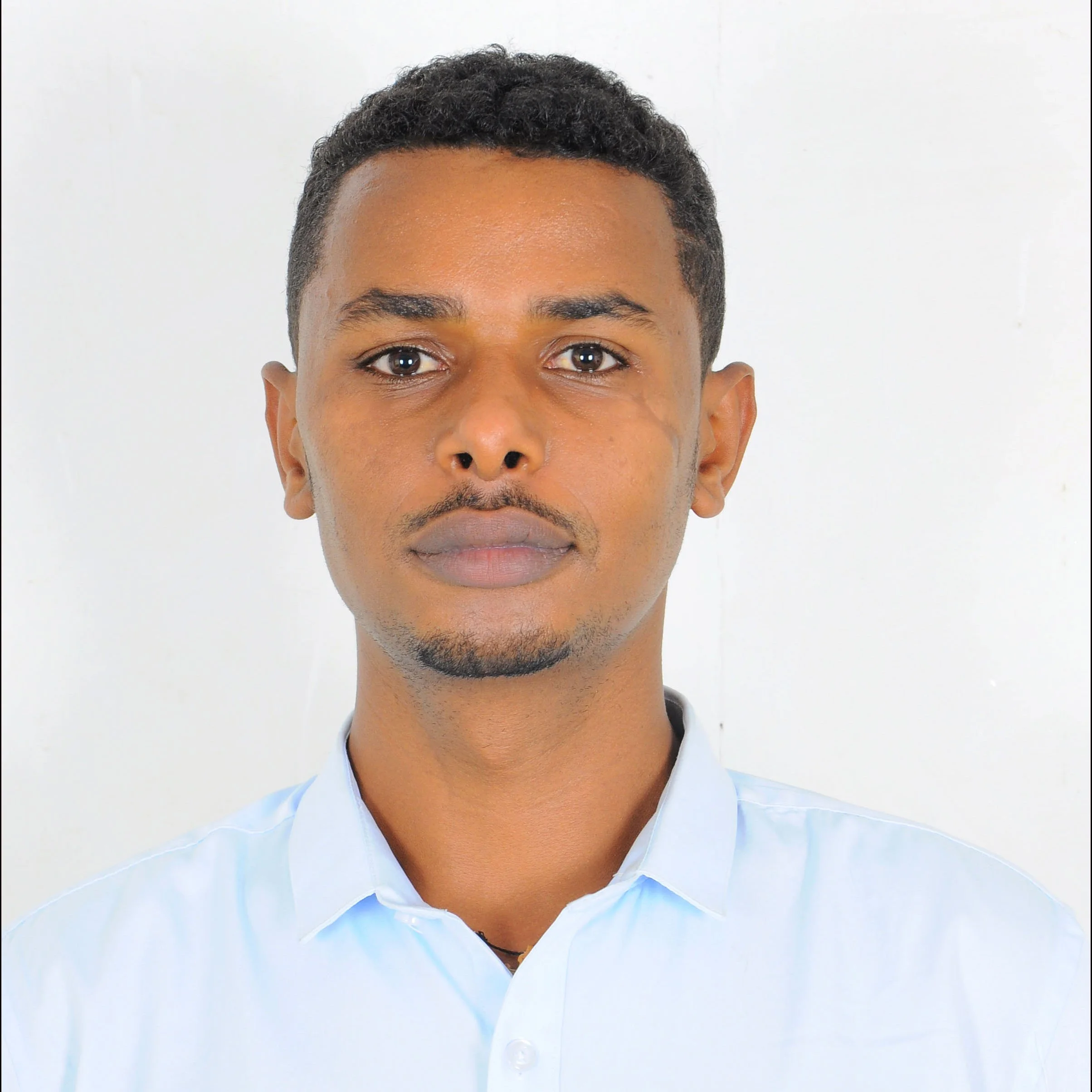
University: Australian National University (ANU)
Location: Canberra
Academic Background: PhD candidate at the Australian National University (ANU); MSc, Clinical Chemistry; BSc, Computer Science; BSc, Medical Laboratory Science.
Tadele Gashayie is a Digital Research Trainer at Intersect Australia and a PhD candidate at the John Curtin School of Medical Research, ANU. With a strong interdisciplinary background in biomedical science and computing, he specializes in RNA-seq data analysis and bioinformatics pipelines. He has extensive experience in data analysis, website development, and high-performance computing, with proficiency in R, Python, and Unix systems.
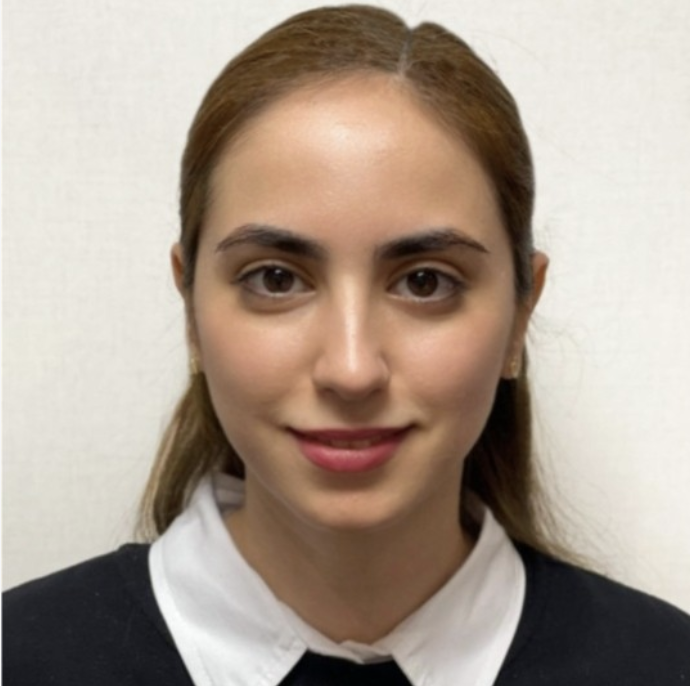
University: Deakin University
Location: Melbourne
Sara Mirabi is a PhD candidate in Information Technology at Deakin University, Australia. Her doctoral research focuses on enhancing goal-oriented dialogues through automated answer validation, with particular emphasis on identifying errors in human–AI interactions. Her research aims to improve the reliability, accuracy, and effectiveness of conversational AI systems by developing intelligent methods for detecting and validating problematic responses.
Her expertise spans Artificial Intelligence, Natural Language Processing (NLP), Large Language Models (LLMs), Machine Learning, and Agentic AI. She has extensive experience in developing and evaluating AI-driven conversational systems, including multi-agent architectures, automated dialogue evaluation, error detection, and conversational recovery strategies. Her research also explores the application of AI in healthcare and other real-world environments, with a strong focus on building trustworthy, context-aware, and reliable intelligent systems.