

Case Studies
Explore how Intersect collaborates with universities, government agencies, and industry partners across Australia to accelerate digital research and data infrastructure.

AI-Enabled Curation Assistant: The Sax Institute
Intersect’s 3AI collaborated with the Sax Institute to develop a proof-of-concept AI-Enabled Curation Assistant designed to be able to be implemented within the Secure Unified Research Environment (SURE*)...
UNE PARG: Livestock Tracking for Annual Fodder Crop Grazing Analysis
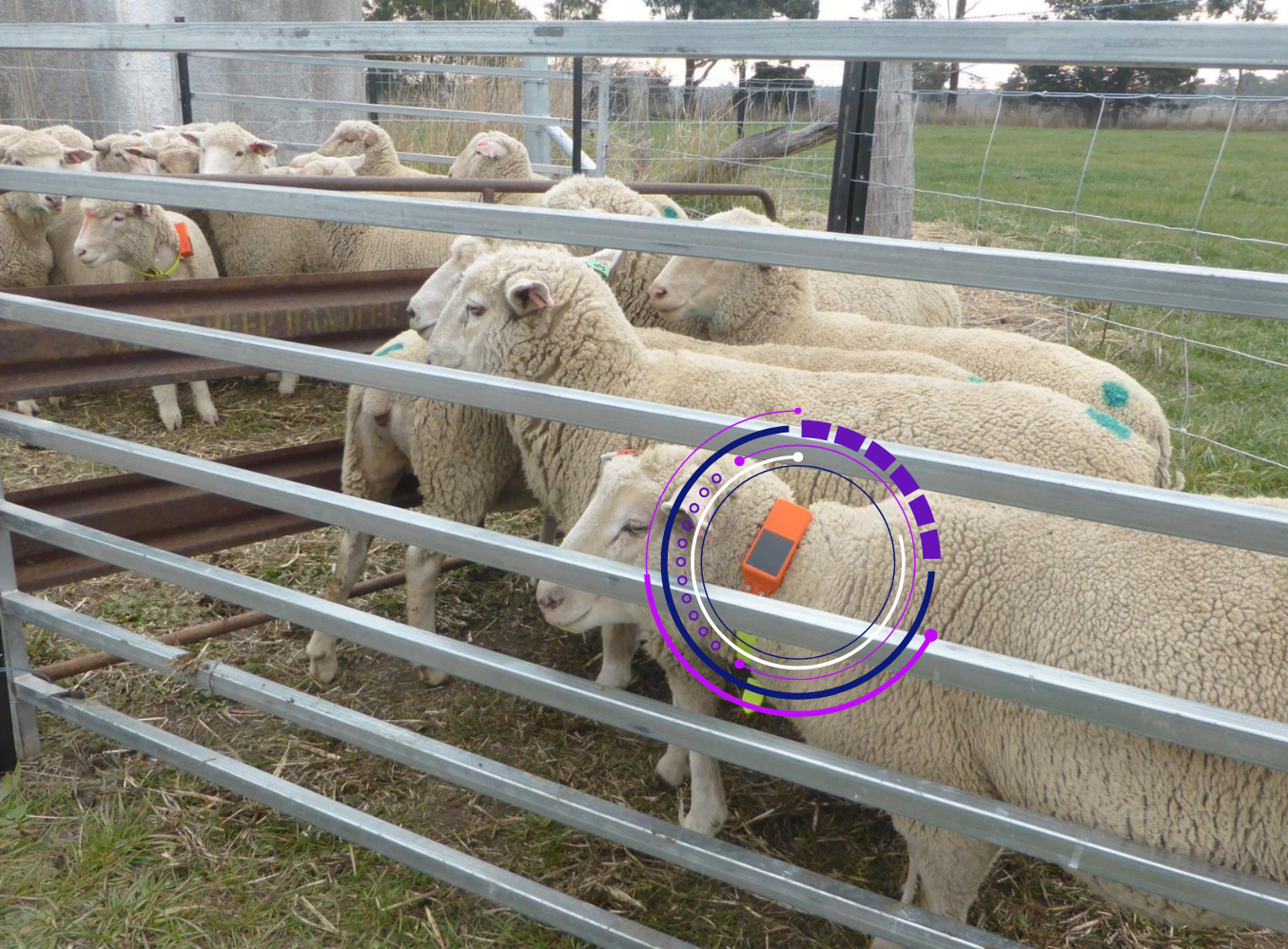
Intersect's 3AI team assisted with building and deployment of the open-source On-Animal Tracking System (OATS)...

Murdoch University: Cattle Land Transport Behaviour Prediction
This project involves providing data science expertise in experimental design, extraction of large datasets...

AI-Ready Application on Nectar (ARDC)
This project involved the development and technical handover of an AI-ready application and custom images...
AI-Enabled Camera Trap Data Pipeline
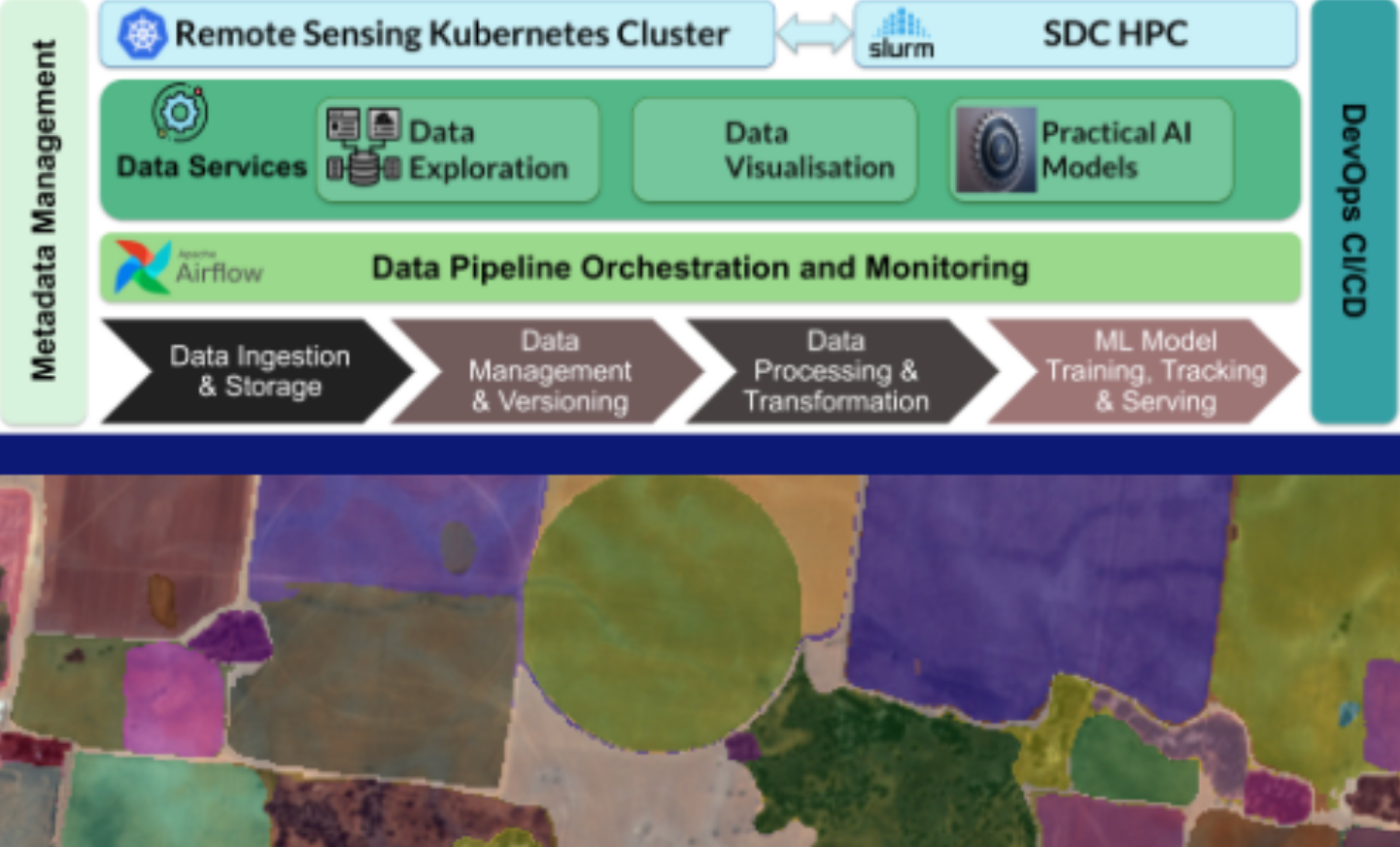
For the Practical Ecology, Science and Technology Group (PEST) at the University of New England (UNE)...
PIGCOUNT (NSW DPIRD)
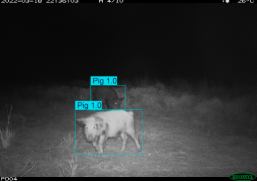
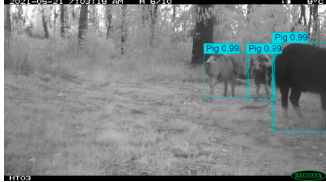
PIGCOUNT is a specialised monitoring tool and analysis method developed by the Department of Primary Industries...
Automated Data Pipelines and Dashboard
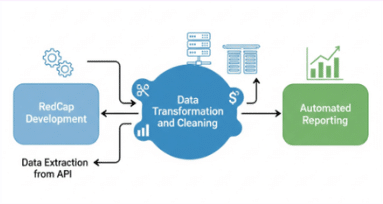
This project involved developing automated data pipelines and an interactive dashboard for pasture analysis...
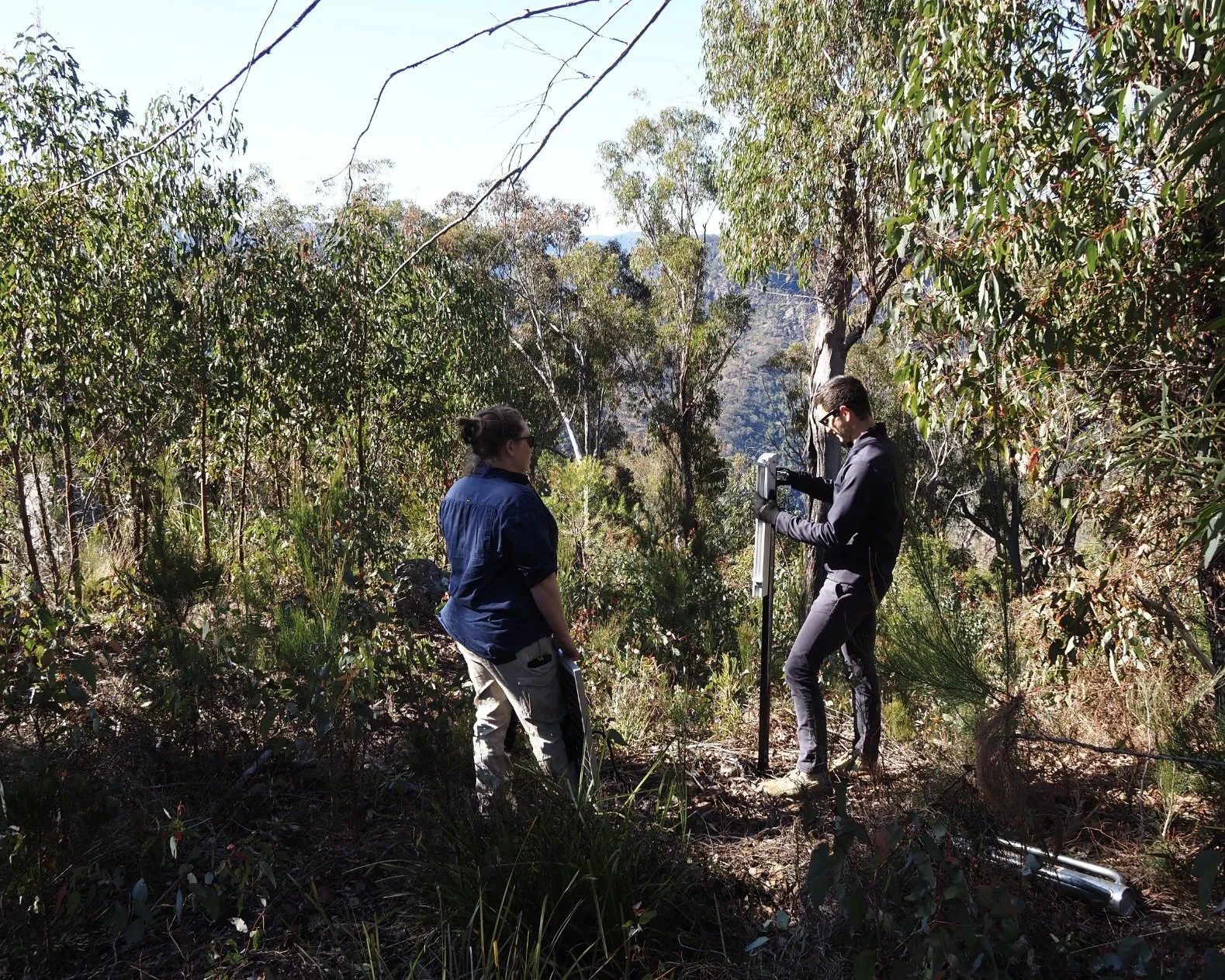
NSW DPI VPRU: On-Animal Tracking System
Vertebrate Pest Research Unit (VPRU) of the New South Wales Department of Primary Industries and Regional Development (DPIRD) undertakes research...
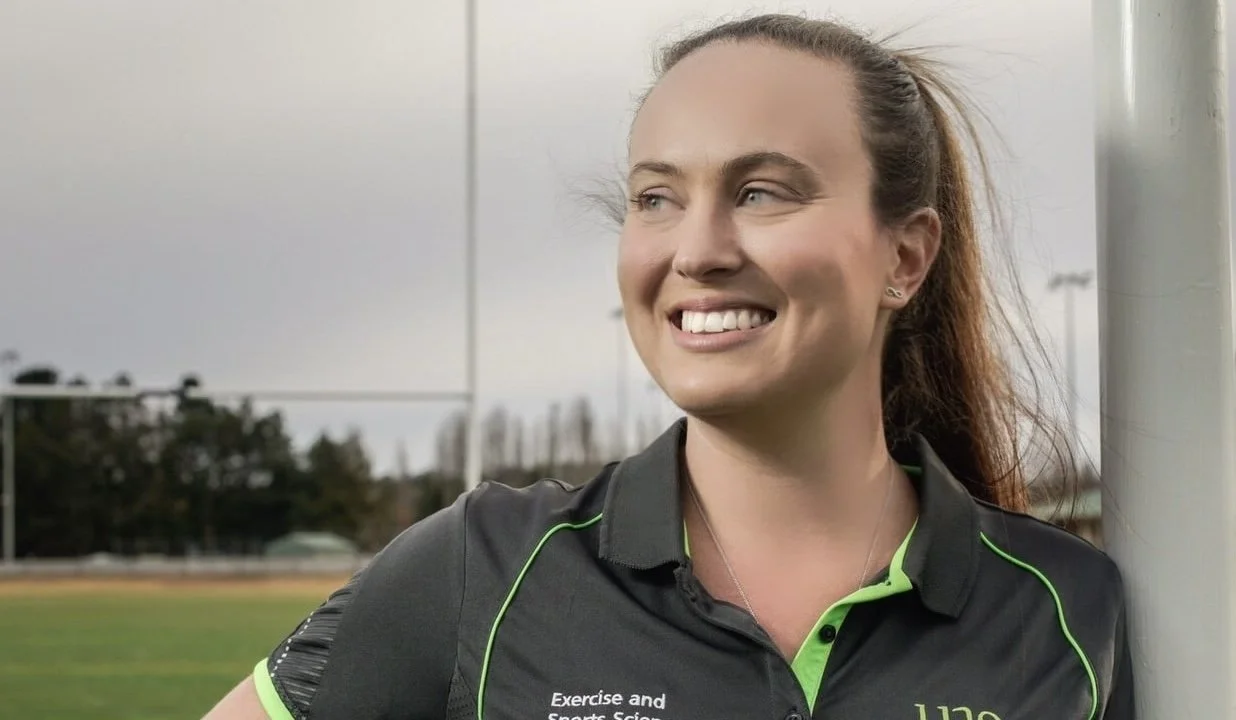
UNE Sports Science: Athlete Direction Prediction
Analysing athletic kinematics in team sports requires translating high-frequency sensor streams into actionable tactical insights...
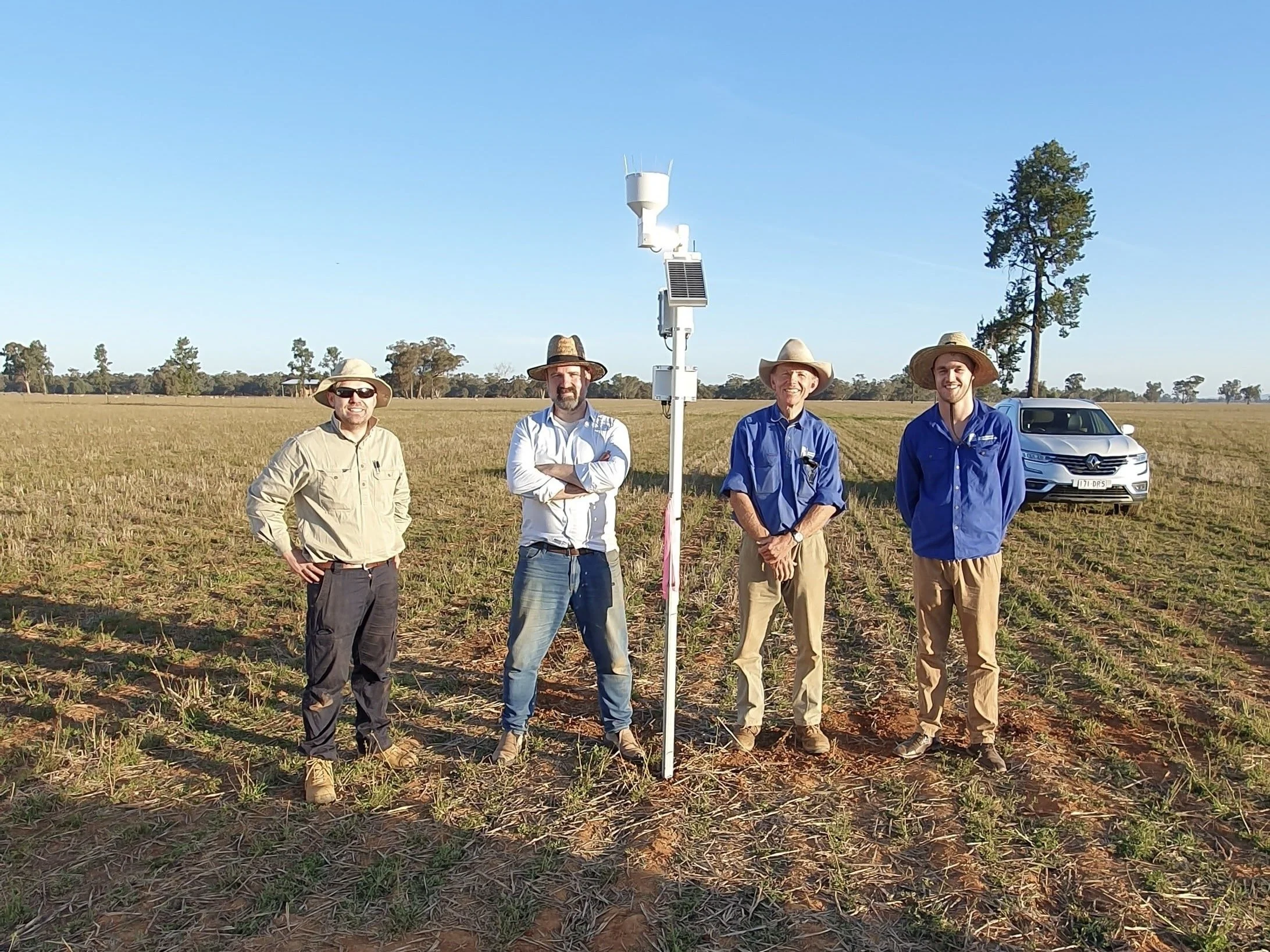
NSW DPI Climate Unit: Seasonal Conditions Monitoring Network (EDIS)
Intersect’s Engineering and Data Science team collaborated to provide an end-to-end data pipeline and dashboard system for weather data...
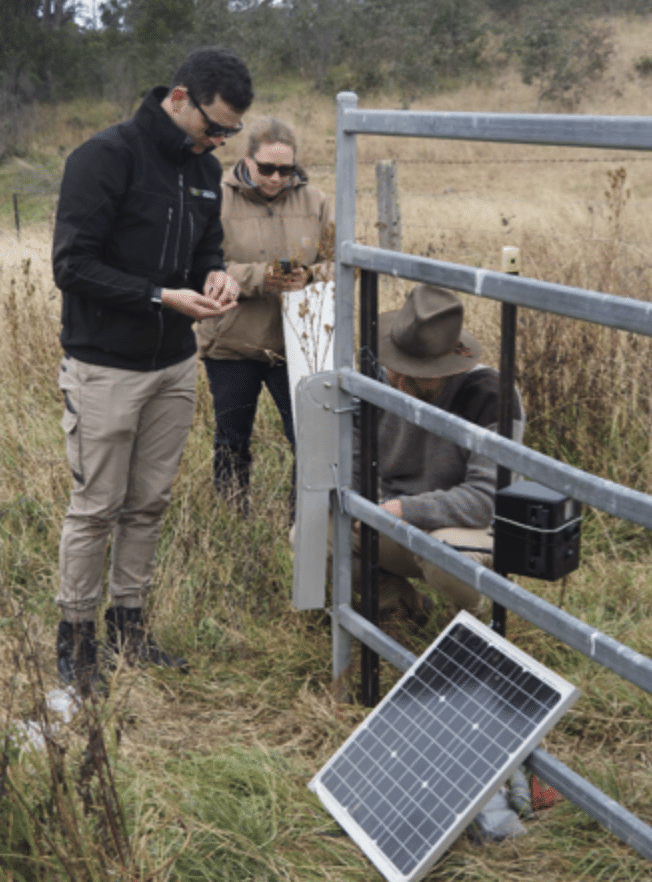
NSW DPI VPRU: Edge AI solutions for protecting our environment from Invasive Species
Vertebrate Pest Research Unit (VPRU) of the New South Wales Department of Primary Industries and Regional Development (DPIRD) undertakes research...

Interactive High Performance Computing Portal
Developing a fully interactive graphical environment to manage UTS HPC multi-cluster facility.
Development of a Custom Research Data Portal at La Trobe University
Web portal for CERI to manage, analyse, and share data assets associated with the Care Economy.

Cancer Biobanking Network
Reviewing IT systems and associated operational procedures across 20+ cancer biobanks in NSW.
UNSW AI in Medical Imaging – MONAI
Leveraging AI to deliver state-of-the-art, end-to-end workflows for healthcare imaging on Katana.

Enhancing Cancer Research Efficiency: CellProfiler on an HPC Cluster
Transitioning cell image analysis pipelines from local laptops to the Katana HPC cluster.

Factors analysis for university student course selection at Western Sydney University
Building dynamic survey workflows with Qualtrics to identify crucial variables influencing student choices in STEM.
Streamlining recruitment and data collection at the University of Newcastle
Designing a REDCap database with eConsent and automated invitations for pediatric research.
Work Readiness Scale (WRS): An online assessment for work readiness in career education
Automating preparation and delivery of tailored PDF summary reports for student career readiness.
Using REDCap to manage software licenses at Australian Catholic University
Building an automated licence key and voucher management system for research software.
Research Data as a Service for Sydney Children’s Hospital Network (SCHN) Molecular Genetics
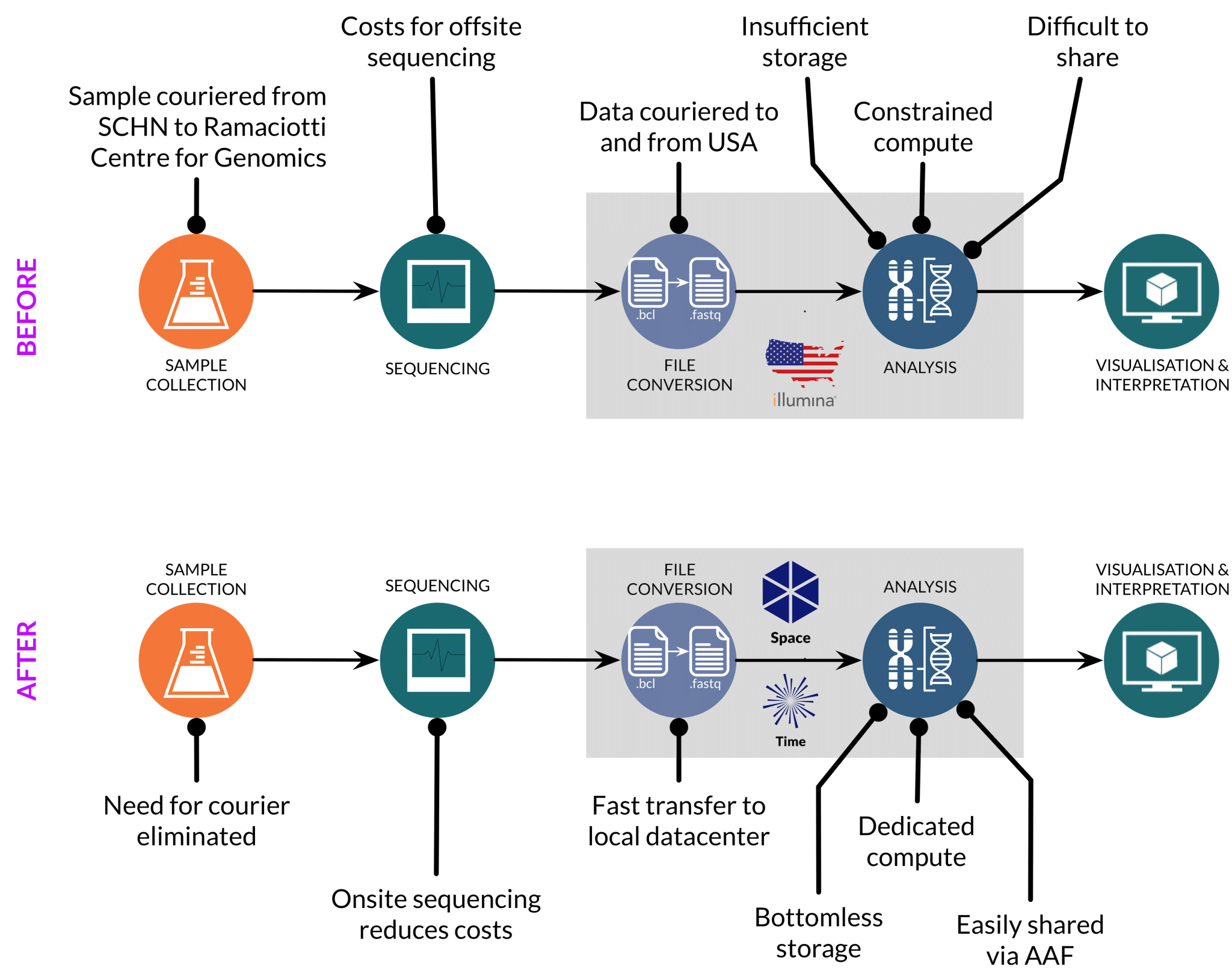
Reducing genomic data turnaround time from 3 weeks to 2-3 hours with secure long-term storage.

Modelling Environmental Sensitivity
Using stream invertebrates and an AIC model selection framework to predict thermal tolerance under climate change.

University of New South Wales ResTech: Cloud Pilot Scheme
Promoting AWS public cloud computing services to researchers across non-STEM faculties.

Supporting the Career & Research Skills Training Program at the University of Adelaide
Integrating eResearch skills training and Yellowfin BI reporting into the CaRST program for HDRs.

Developing an EDGE: Supporting Skills Development Training for HDRs
Automating attendance tracking and data harvesting from Eventbrite for UniSA's EDGE doctoral program.
Measuring Groundwater Recharge
Building a web application with a time-series database collecting ~1.6M annual sensor data points for groundwater research.

Reviewing the Implementation of Higher Education Curriculum in Indonesia
Statistical modeling (MANOVA & T-tests) to evaluate English lecturer experiences with Indonesia's Higher Education Curriculum.
Enhancing HPC Usage Efficiency by Building User Capability: A Collaboration between NSW DCCEEW and Intersect 3AI Platform
Bridging Linux and HPC knowledge gaps for environmental scientists through multi-faceted training, Hacky Hours, and 1-on-1 support.

Bridging Data and Ethics: A Qualtrics Journey in Regional Graduate Research
Designing anonymous linked Qualtrics surveys to satisfy ethics requirements for international graduate workplace studies.

Qualtrics Support for the “Repurposing Recovered Organic Materials as Alternate Raw Materials for Brick Production” Project
Configuring branching survey logic and stakeholder response segmentation for organic waste repurposing research.

Qualitative Data Analysis (QDA) Seminars and NVivo Workshop at UNSW
Upskilling HASS researchers in qualitative research methods and hands-on NVivo software applications.

Exploring healthy food accessibility in Australian online delivery platforms, based on socioeconomic and remoteness
Automated web scraping over three months analysing 24,000+ food outlets on Uber Eats and Menulog in Victoria.

Deep Learning for Text analysis
Leveraging BERT and GPT deep learning models to summarise large interview transcription corpora for housing research.
Investigating peacebuilding approaches via NVivo
Utilising NCapture and NVivo search queries to automate data collection and discourse analysis from X posts.

Pre-service teachers’ preparedness towards children with Special Education Needs: A Qualtrics Journey
Designing, implementing, and deploying an ethically compliant online Qualtrics survey for early childhood education research.
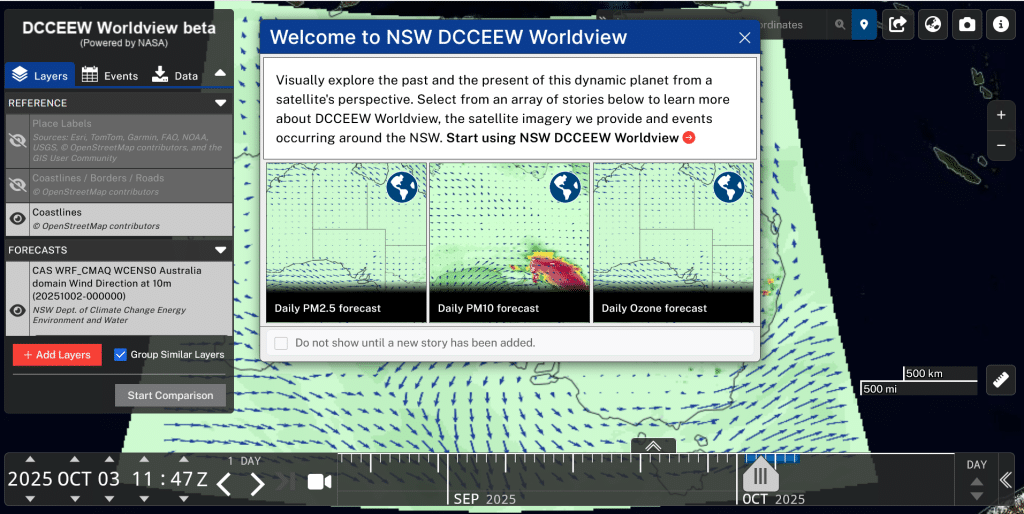
Worldview & Onearth: NSW Department of Climate Change, Energy, the Environment and Water (DCCEEW)
Providing interactive air-quality forecasting layers fused with satellite imagery on AWS cloud architecture.

SDC Kubernetes Cluster Re-launch and Support
Migrated and modernised backend services for the NSW Climate Data Portal to AWS Kubernetes clusters.
AI-Enabled Curation Assistant: The Sax Institute
In Collaboration with The Sax Institute
UNE PARG: Livestock Tracking for Annual Fodder Crop Grazing Analysis
In Collaboration with Precision Agriculture Research Group (PARG), University of New England
Overview & Background
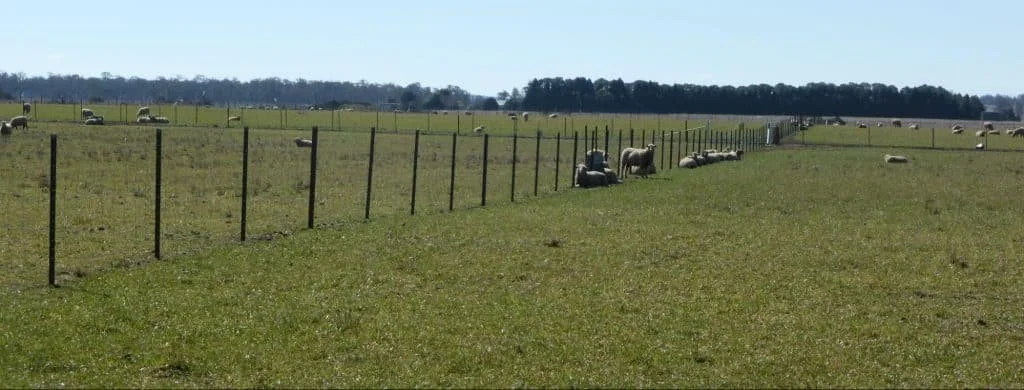
Intersect's 3AI team assisted with building and deployment of the open-source On-Animal Tracking System (OATS) as part of a fodder crop grazing analysis project. The purpose of the project was to identify if there were behavioural differences in sheep when grazing different pasture types. The project involved processing large datasets from sensors and video recordings during fodder crop grazing trials.
Technical Execution & Solution
Intersect's 3AI platform provided end-to-end data science and analytics support during the fodder crop grazing trials:
- Dataset Integration & Processing: Built pipelines to ingest, wrangle, and merge high-frequency time-series accelerometer sensor data, video recordings, and lookup tables across multi-year field trials.
- Statistical Modelling & Analytics: Executed statistical modeling of mean movement variation (MV) and applied machine learning algorithms to evaluate livestock behavioral responses across different fodder crop treatments.
- Research & Reporting Outputs: Contributed to internal progress reports for funding organizations and collaborated on developing scientific research outputs and publications.
Impact & Research Results
Enabled researchers to understand the movement and behavioural patterns of sheep when utilising different pasture types.
Murdoch University: Cattle Land Transport Behaviour Prediction
In Collaboration with Murdoch University
AI-Ready Application on Nectar (ARDC)
In Collaboration with Australian Research Data Commons (ARDC)
AI-Enabled Camera Trap Data Pipeline
In Collaboration with Practical Ecology, Science and Technology Group (PEST) at UNE
PIGCOUNT (NSW DPIRD)
In Collaboration with NSW Department of Primary Industries and Regional Development (DPIRD)
Automated Data Pipelines and Dashboard
In Collaboration with University of New England (UNE) & Northern Tablelands Local Land Services (NT-LLS)
NSW DPI VPRU: On-Animal Tracking System
In Collaboration with NSW DPIRD, Practical Ecology, Science and Technology (PEST) at UNE, and Precision Agriculture Research Group (PARG) at UNE
Status: Project complete and published open-source.
Overview & Background
Vertebrate Pest Research Unit (VPRU) of the New South Wales Department of Primary Industries and Regional Development (DPIRD) undertakes research which addresses industry priorities in relation to vertebrate pest management with one focus being the development of technology to improve the effectiveness and efficiency of pest management practices. Intersect’s Advanced Analytics and AI Platform (3AI) collaborated with the VPRU DPIRD along with Practical Ecology, Science and Technology (PEST) from University of New England (UNE) and the Precision Agriculture Research Group at UNE to develop an open-source animal tracking system able to monitor both location and behaviour of livestock (e.g. Sheep and Goat) and native wild animals (e.g. Brush-tailed Rock Wallaby and Dingo).
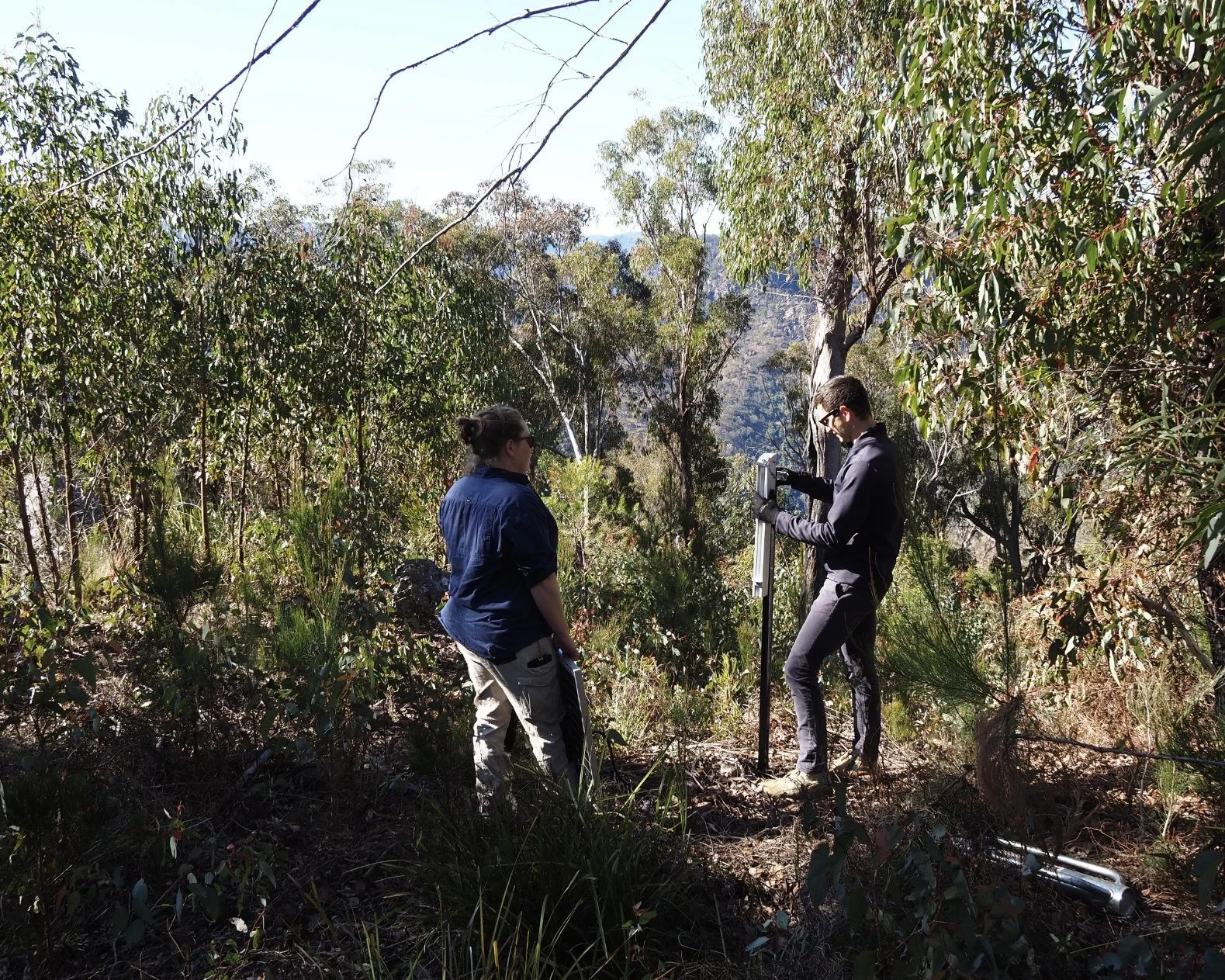 Figure 1: Sentinel Bait Station architecture and smart camera sensor layout.
The Challenge
Tracking systems for wild mammals or livestock in remote environments presents key technological limitations: commercially available GNSS collars are often high cost, lack customisable functionality, and experience delivery delays or ongoing technical problems. Additionally, traditional store-on-board telemetry systems require physical recapture of animals to download data, which creates welfare risks and prevents real-time ecological monitoring.
Technical Execution & Solution
The open-source On-Animal Tracking System (OATS) delivers an end-to-end telemetry pipeline designed specifically for animals displaying site fidelity or returning to refugia:
- Custom Lightweight Collars: Built using a low-power microprocessor, GNSS receiver, and accelerometer module on a custom PCB housed in 3D-printed ASA casing (weighing 120g and consuming < 2.4 mAh).
- Field DataHub Receiver: Solar-powered field hubs featuring single-board computers, cellular modems, and wireless communication protocols to receive collar data in the field.
- Automated Cloud Integration: Automated syncing from DataHubs to a relational database and interactive web visualization app hosted on research cloud infrastructure.
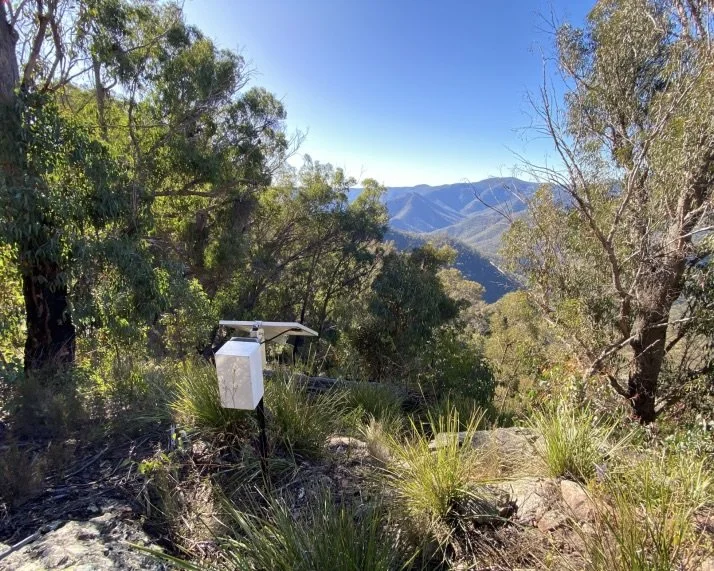 Figure 2: Lightweight OATS tracking module deployed during field trials.
Impact & Research Results
The resulting system established an published open-source solution (Charlton et al. 2026; https://doi.org/10.1071/PC26010) for researchers to use within their animal science or ecology research projects.
UNE Sports Science: Athlete Direction Prediction
In Collaboration with University of New England Exercise & Sport Science
Overview & Background
Analysing athletic kinematics in team sports requires translating high-frequency sensor streams into actionable tactical insights regarding player agility, directional changes, and biomechanical movement stress.
 Figure 1: Wearable IMU sensor placement and movement vector capture.
The Challenge
Field-sports (e.g. Rugby League) involve various amount of forward, sideways and backwards movements that make up the total physical workload during training and matches. Current commercially available devices only give holistic distance at different speed bands without granular analysis by direction. Researchers at UNE needed to isolate different directional movement to be able to monitor training and match data for developing appropriate training sessions that meet the demands of matches.
Technical Execution & Solution
Intersect's 3AI platform collaborated with UNE sports scientists to process inertial measurement unit (IMU) data streams running at 100Hz:
- Deep Neural Network Classifiers: Supervised Machine Learning algorithms or more specifically Deep Neural Network Classifiers were trained to recognise and predict running direction from sensor data.
- Data collection: The project involved developing methodology to ingest and process large amounts of high-frequency sensor data for both training and inference.
- Assisting with design and publication: Intersect’s 3AI Platform contributed to the design of the training dataset and the publication of this data at conferences and through developing a draft manuscript.
Impact & Research Results
Delivered an automated analytical framework that allows sports scientists to evaluate distance at different speeds in various directions to enable training programs to be specific to the needs to athletes and officials within Rugby League.
NSW DPI Climate Unit: Seasonal Conditions Monitoring Network (EDIS)
In Collaboration with NSW Department of Primary Industries (NSW DPI)
Overview & Background
Intersect’s Engineering and Data Science team collaborated to provide an end-to-end data pipeline and dashboard system for weather data. This project involves providing data science support in experimental design, a real-time data pipeline from field-based sensor networks, and advanced analytics to derive insights. It includes the development of an automated data processing workflow for near real-time sensor data analysis and insights for end-users of the Seasonal Conditions Monitoring Network (SCMN), which is part of the Enhanced Drought Indication Scheme (EDIS).
Figure 1: Automated seasonal weather and moisture monitoring interface.The Challenge
Managing and validating environmental telemetry across regional landscapes requires reliable real-time ingestion pipelines to eliminate manual processing bottlenecks and ensure timely drought reporting.
Technical Execution & Solution
- Automated Data Pipeline: Built an automated data pipeline to collect a validation dataset for EDIS models with robust DataOps practices and automated error reporting.
- User Dashboard: Developed a user dashboard with row-level security allowing landholders with sensors on their property to view their own data while enabling researchers to analyse data across the entire project.
Impact & Research Results
Delivered an automated data collection pipeline for EDIS validation models alongside a secure, role-restricted dashboard for contributing landholders and agricultural researchers.
NSW DPI VPRU: Edge AI solutions for protecting our environment from Invasive Species
In Collaboration with NSW Department of Primary Industries and Regional Development (DPIRD)
Status: Ongoing collaboration.
Overview & Background
Vertebrate Pest Research Unit (VPRU) of the New South Wales Department of Primary Industries and Regional Development (DPIRD) undertakes research which addresses industry priorities in relation to vertebrate pest management with one focus being the development of technology to improve the effectiveness and efficiency of pest management practices. Intersect’s 3AI collaborates with the VPRU DPIRD as part of their focus on the development of technology to improve the effectiveness and efficiency of pest management practices. Building on published work from The Sentinel Bait Station: an automated, intelligent design pest animal baiting system (Charlton et al. 2023), the VPRU has engaged Intersect’s 3AI Platform to help to continue the development of smart cameras, baiting devices and animal tracking technology for vertebrate pest management.
The Challenge
Invasive pest management across vast regional landscapes requires balancing biosecurity protection against labor constraints. Traditional monitoring relied on physical site inspections that were time-consuming and delayed response windows during emerging biosecurity incidents. Furthermore, conventional baiting risks non-target animal exposure if not strictly controlled.
Technical Execution & Solution
Intersect's 3AI platform built an integrated hardware and software tracking architecture:
- Edge AI: Development of lightweight models able to run on the edge to identify species on-site and in real-time.
- Intelligent IoT solutions: Combined custom electronics with embedded computer vision models to allow for field-based actions (closing a gate or offering a bait) without the need for human intervention.
- Automated Data Telemetry: Built fault-tolerant data ingestion pipelines collecting via cellular or satellite channels for automatic collection of data from the field.
Figure 1: Solar-powered PigIT camera trap and automated gate actuator.Impact & Research Results
The resulting system established a repeatable technology framework that maximizes pest management efficiency, prevents non-target animal bait exposure, and supplies researchers with continuous, high-resolution biosecurity research data.
Interactive High Performance Computing Portal
In Collaboration with University of Technology Sydney
Background
The University of Technology Sydney requested to develop a fully interactive graphical environment to manage their High Performance Computing (HPC) facility consisting of multiple clusters. The system needed to provide real-time cluster monitoring interface, manage access based on user profile, and display help documentation with advanced search functionality. The application is designed to give users, many of whom have little or no Unix experience, a fully interactive graphical environment to interact with cluster nodes easily which reduces the learning curve by abstracting underlying technical complexity. The web-based interface provides administrator users to manage, monitor, and submit computational workloads across multiple clusters. The goal was to simplify the user experience for researchers, students, and administrators while maintaining system security, performance, and scalability.
Challenge
The core challenges revolve around scalability and performance in a multi-user, real-time environment, combined with complex access control requirements. Specifically:
- Real-time Scalability for Monitoring: Ensuring the graphical environment can display real-time updates for hundreds of nodes to hundreds of concurrent users at peak times without performance degradation or lag. This demands highly efficient data streaming, aggregation, and rendering.
- Low-Latency Metadata Access: The system must be able to access and load metadata for nodes with very low latency. This is crucial for quick navigation, rapid drill-downs, and responsive user interactions, especially when users are exploring specific node details.
- Complex and Granular Access Control: Implementing a robust user access management system that applies multiple access filters and node limit filters, driven by regular expressions and user group affiliations. This ensures users only see and interact with resources they are authorized for, adding significant complexity to the filtering and data presentation logic.
- Advanced documentation search using full-text indexing
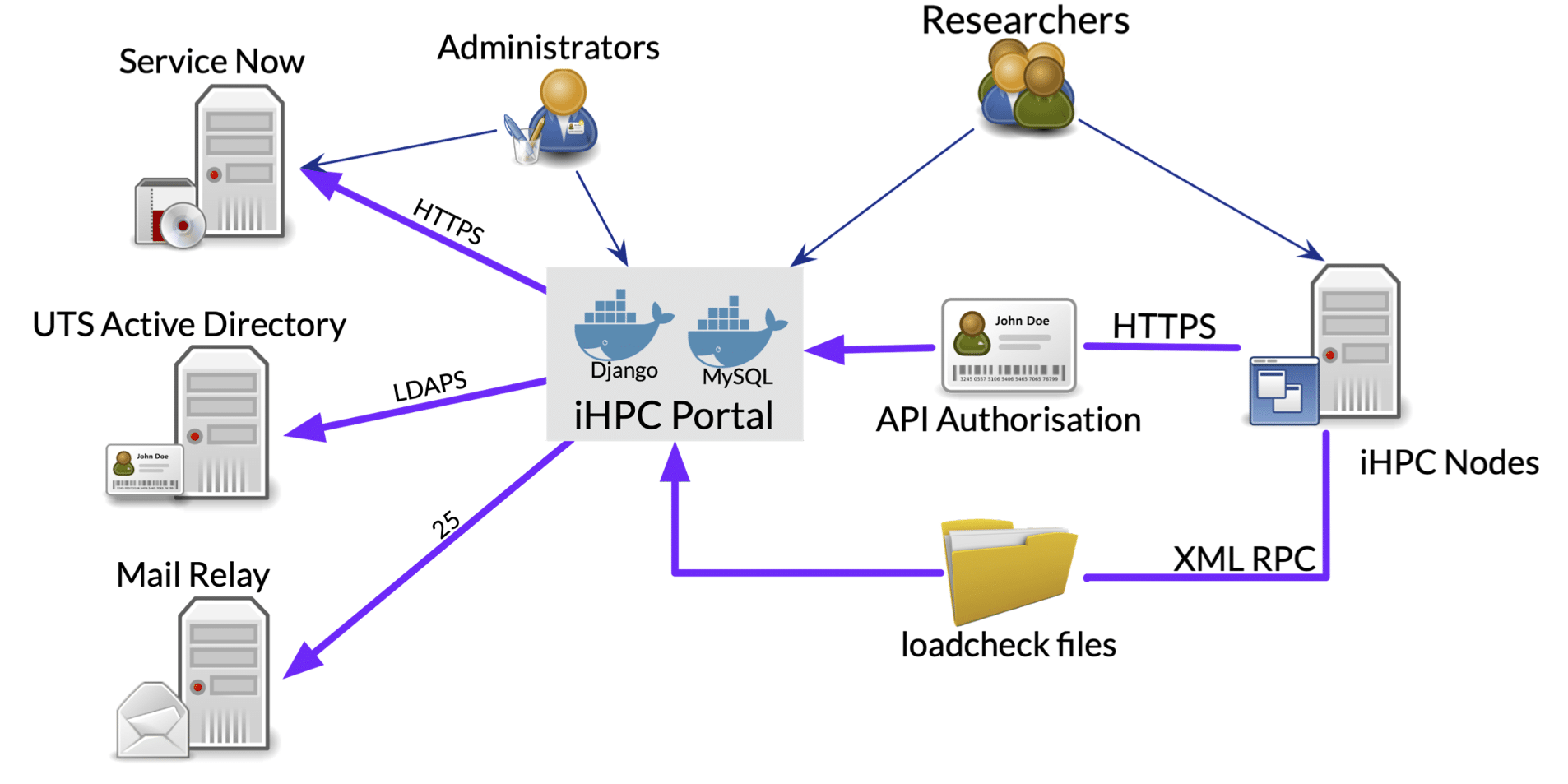 Figure 1: UTS iHPC Portal Architecture and Data Workflow Diagram.
Solution
The project was developed in collaboration with research computing experts, system administrators, and representatives from the University of Technology Sydney (UTS). Our engineering experts successfully addressed technical hurdles by leveraging their expertise to optimize data management and system architecture.
Key solutions included:
- Optimized Time-Series Data Management: To handle the substantial volume of real-time data, we implemented a database solution specifically optimized for storing and accessing large amounts of time-series data.
- Enhanced Query and Write Performance: Database choice was further optimized for complex queries and heavy write activity, ensuring high performance even under demanding conditions.
- Advanced access filtering: We built regular expression-based cluster access filters and node user limit controls to manage access for user groups, either on individual nodes or across multiple nodes in bulk.
- Secure and High-Performance CMS with Django: We implemented a help documentation content management system that allows front-end users to access documentation with advanced search capabilities.
High Level Architecture
Our engineering team successfully built a fully interactive graphical user interface which allowed system administrators to monitor node workload, node health status, active/suspended user sessions, underused resources and node system failures. Additionally, administrators can set custom access controls and usage limits for clusters and nodes based on user groups or individual user profiles. The application offered researchers an intuitive interface to interact with on-demand compute resources based on their access rights and offered them documentation and support within the portal with advanced search features. UTS played a key role in identifying data workflows and validating interface requirements. Regular feedback loops ensured the system met real user needs and both stakeholders collaborated effectively to ensure the project’s success.
“Our collaboration with Intersect has been instrumental in delivering a future-ready iHPC portal that aligns with our vision for seamless, scalable and accessible research technology infrastructure.” Pascal Tampubolon, Head of Research Technology, UTS

Development of a Custom Research Data Portal at La Trobe University
In Collaboration with Care Economy Research Institute (CERI), La Trobe University
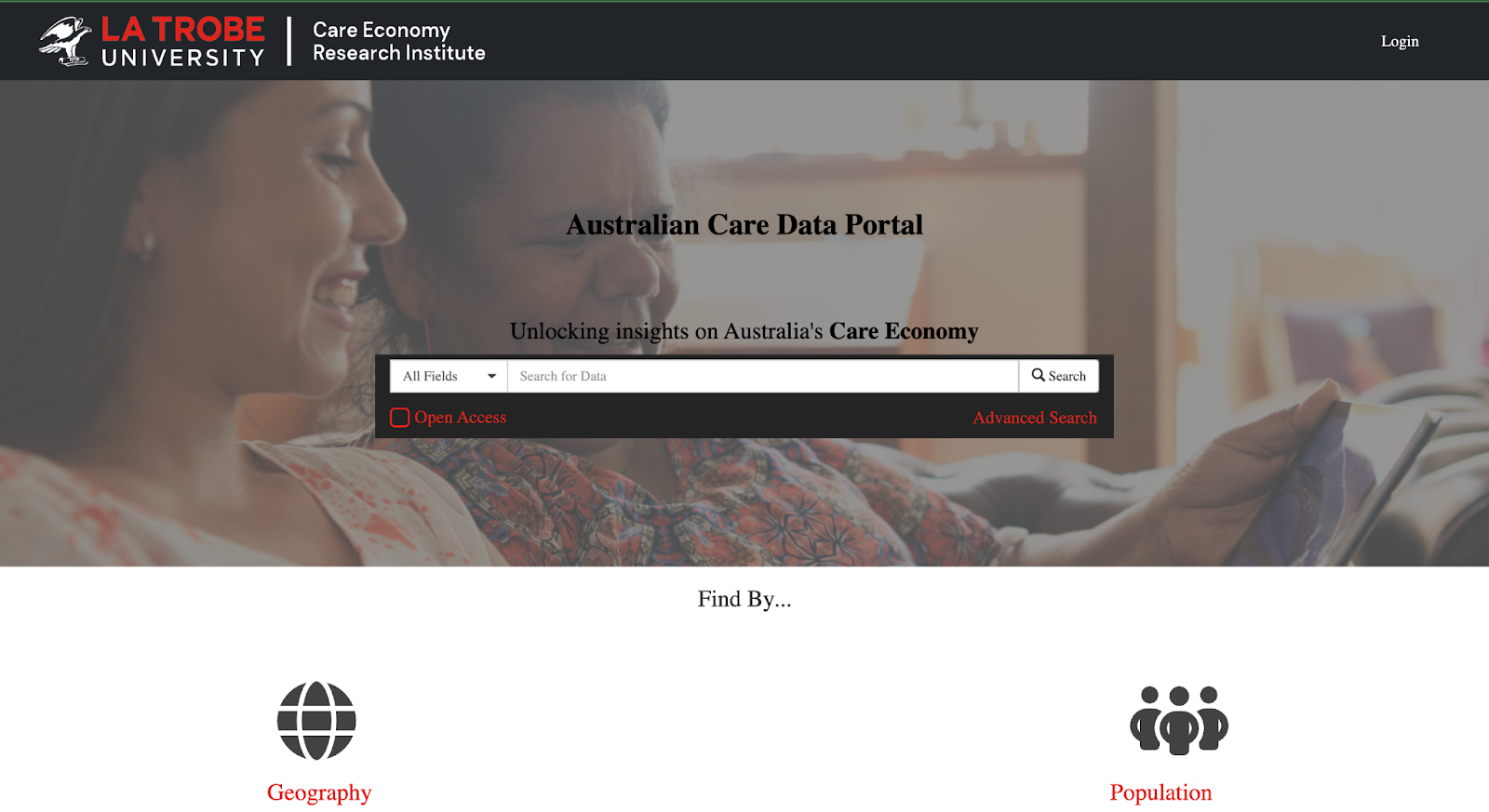
The Care Economy Research Institute (CERI) at LaTrobe University engaged Intersect to build a research data platform to manage, analyse, and share data assets associated with the Care Economy. The Care Economy Research Institute (CERI) is focussed on addressing critical issues facing Australia’s health and social care sectors.
CERI’s vision was to provide a central hub for care economy research data, engineered to aggregate and make discoverable a diverse array of datasets. This would allow Care Researchers and collaborators to easily access data collections and metadata relating to the Care Economy in one centralised space and allow researchers to search these data collections and collaborate using Real-Time commenting on datasets.
This platform gives users the flexibility of uploading data files as new data is collected. They can also share and download their own data files based on the dataset they desire.
“Intersect’s expertise was essential in developing a powerful, user-friendly platform that makes care economy data discoverable and enhances research collaboration. Their contribution has been key to advancing research and driving positive impact in Australia’s care sector.” Professor James Boyd, Care Technology Domain Lead, Care Economy Research Institute, La Trobe University
Figure 1: La Trobe CERI Custom Research Data Portal Interface.Intersect’s role in this project was to develop this web-based application. This involved the utilisation of Intersect’s skills in Business Analysis, Project Management, Software Engineering and Quality Assurance to translate CERI’s vision into a functional and user-friendly platform.
Intersect’s team was responsible for the architectural design and implementation of the portal, ensuring it could efficiently index, query, and retrieve diverse data types. They integrated the portal with La Trobe University’s existing website design system and accessibility policies. This collaboration involved:
- Technical Development: Building the robust backend infrastructure capable of managing complex metadata and handling advanced search queries.
- User Interface (UI) and User Experience (UX) Design: Crafting an intuitive front-end that prioritizes simplicity and efficient data discovery, drawing inspiration from leading research data platforms.
- Metadata Schema Implementation: Working with CERI to implement the detailed Version 5 metadata schema, which is central to the portal’s functionality. This involved understanding the nuances of the care economy domain to ensure the schema effectively captured relevant data attributes and leveraged controlled vocabularies.
- Adherence to Standards: Ensuring the portal’s design and data management practices aligned with La Trobe University’s accessibility policy and international data standards like DataCite.
The CERI Data Portal will enable users – from researchers and policymakers to practitioners – to overcome the significant challenge of fragmented information, providing a centralized, intuitive, and authoritative resource.
Key benefits to the users include:
- Enhanced Data Discoverability
- Improved Research Efficiency
- Fostered Collaboration and Knowledge Sharing
- Support for Informed Policy-Making
- Increased Data Reusability and Impact
- User Satisfaction
Intersect provided comprehensive support throughout our project lifecycle, from initial conception to final delivery. Their expertise in project development, priority setting, and technical guidance was indispensable as we navigated unfamiliar territory. They were a valuable partner, and we wouldn’t hesitate to work with them again on future initiatives. Kate Syme-Lamont, Research Officer, Care Economy Research Institute, La Trobe University
The project has been enthusiastically received, as it directly addresses a critical need in Australia’s Care Economy by empowering stakeholders with data to drive positive change.
Cancer Biobanking Network
Feb 22nd 2016
UNSW AI in Medical Imaging – MONAI
Abdullah Shaikh | Feb 28th 2024
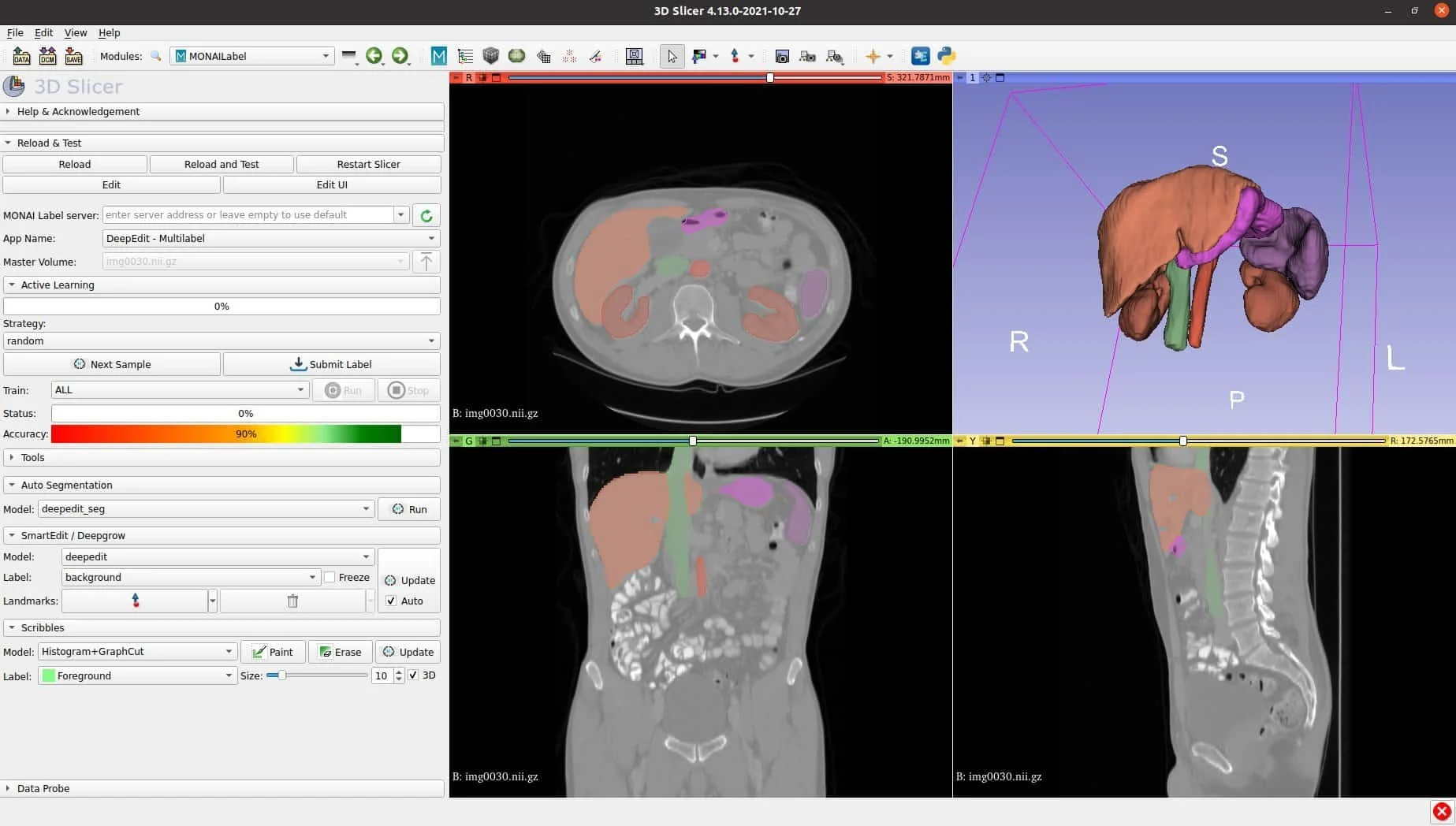
Medical Open Network for Artificial Intelligence (MONAI) is a PyTorch-based framework designed for deep learning in healthcare imaging. It leverages AI to deliver state-of-the-art, end-to-end workflows for healthcare imaging—from model development and research to clinical production.
At the University of New South Wales (UNSW), several research groups focus on medical imaging. Dr Abdullah Shaikh, representing Intersect’s Advanced Analytics and AI platform at UNSW, collaborated with his colleague, Dr Patrick Tung from Research Technology Services, to explore the MONAI Framework. Their goal was to use the local computing capabilities and enable UNSW researchers to leverage AI acceleration in medical imaging via MONAI.
Patrick and Abdullah delved into two key components of MONAI:
- MONAI Label: an AI-based image labelling and learning tool that applies reinforcement learning to train models.
- MONAI Core: a tool that enables domain-specific capabilities like image transformation and segmentation.
The duo have set up the MONAI framework on Katana and have organised workshops to train and guide the wider research community in utilising this powerful tool on Katana. Additionally, they integrated the MONAI Label extension into an open-source image analysis software, 3D Slicer, accessible via Katana OnDemand. This integration allows the researchers to utilise MONAI’s AI capabilities within a user-friendly Graphical User Interface (GUI).
According to Dr Patrick Tung
“MONAI is a game changer in Medical AI. Giving UNSW researchers the capability, platform and coaching on its use in their current workflows will help accelerate the research happening in medical imaging”.
MONAI Framework Integration in Medical Imaging.
Enhancing Cancer Research Efficiency: CellProfiler on an HPC Cluster
Abdullah Shaikh
The Cancer Systems Microscopy (CSM) Lab at the University of New South Wales focuses on improving cancer treatment by researching precision diagnostics, targeted therapies and fundamental insights. Their research involves analysing thousands of cell images, and they use an open-source software, CellProfiler, for this purpose.
The lab uses the Graphical User Interface (GUI) version of CellProfiler on their local machines (laptops or computers) for image analysis. However, this approach requires leaving small-scale computers running for extended periods—sometimes up to 30 hours—to complete the analysis and get results. This process is not only time-consuming but also inefficient and laptop-dependent. The researchers reported:
“There have been some times where our machines are busy for more than 30hrs. We’ve had jobs that run for days (and even months though these jobs are far rarer)”.
To address these challenges, we collaborated with the CSM Lab to help them run their analysis on a large-scale computing cluster, Katana, the local HPC Cluster of UNSW. This involved installing the CellProfiler modules on Katana and drafting scripts to ensure the execution of their analysis headlessly in a command-line environment. Researchers can now submit their images and pipelines as batch jobs. They can take advantage of the HPC’s queuing system and efficiently utilise the computational resources to speed up their analysis.
According to Andrew Gunawan, a researcher at the CSM Lab, headed by Dr John Lock, the benefits are clear:
“Having CellProfiler pipelines run on Katana is great. It allows our jobs to run in the background on Katana (our local HPC Cluster). The new workflow has freed up our laptops for other tasks and increased efficiency”.
This project involved training and support to the researchers to ensure that all their CellProfiler pipelines and plugins integrate into the HPC cluster.
Factors analysis for university student course selection at Western Sydney University
In Collaboration with Western Sydney University
Background
There is an increasing emphasis in tertiary education to equip students with the tools that can help them make better career choices after graduation. Dr Kenan Metawie and Associate Professor Ana Hol from School of Computer, Data and Mathematics, are conducting a study to help academics identify the crucial variables that would impact on student choices for the courses in STEM (Science, Technology, Engineering and Mathematics) and how it would eventually impact the choice of their career. The plan is to conduct this study with Western Sydney University students and then scale it nationally.
Challenge
In order to collect data from students, there was a need to design a dynamic survey instrument that can be scaled nationally at the later stages of the study. The researchers’ knowledge of the survey tools was limited and they were struggling to achieve the desired outcome. Through the Research Services office, Kenan heard about the expertise of Intersect eResearch Analyst, Jeff Wang, and then reached out to Jeff to get his expert advice on the survey design.
Solution
Qualtrics is a powerful cloud-based survey tool that can collect data from respondents in a structured and intuitive way. In collaboration with the researchers, it was deemed that Qualtrics is an ideal tool for this study. However, only the basic knowledge of Qualtrics proved to be a significant challenge for researchers in building the appropriate survey for this research project. Jeff worked with researchers to build this survey tool which involved complicated workflows to achieve the desired outcome. Jeff is providing continued Qualtrics support to this project, including question design, display logic, end of survey settings, content validation, and survey appearance. Notably, Jeff made a couple of positive suggestions in the core project design and resolved several issues in the survey, which led to significant time savings for Kenan and his team.
Outcome
This survey has now been published and more than 150 students from STEM have already responded. Jeff continues to work with researchers to help them with data export, analysis and reporting as an ongoing support to this project. Jeff’s support to the project has been significant, here is how Dr Kenan Metawie puts it:
“So great to have Jeff helping us with all technical issues in using Qualtrics. He offers outstanding support that contributes to the success of our project. His commitment and passion to support is exceptional. Many thanks to Jeff and Intersect.”
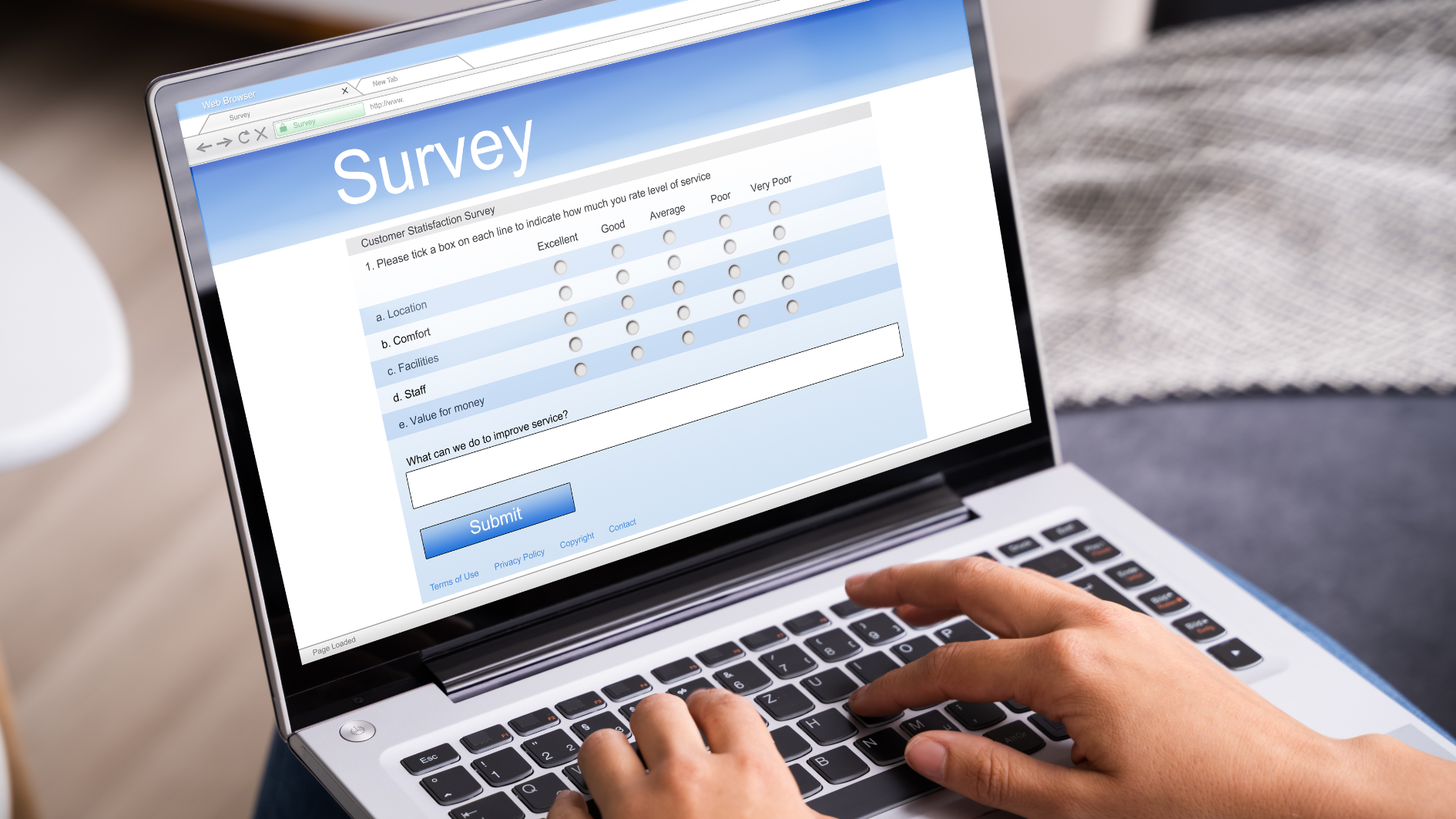
Qualtrics survey implementation for WSU STEM student course selection.
Streamlining recruitment and data collection at the University of Newcastle
By Shaun Grady | October 14th 2021
Recruitment and data collection can be one of the most time-intensive aspects of clinical research, and the importance of using the right tools in the right way is key to gaining as much value as possible from this process. Natalie Wall, a PhD candidate from the FINDlab at the University of Newcastle and eResearch Trainer at Intersect, recognised the importance of this and engaged the expertise of Intersect eResearch Analyst, Shaun Grady, to assist in the design of a REDCap database to assist with her research project “Supporting autistic children to better understand facial emotion expressions”.
Under the supervision of Prof Ulli Schall, Honorary A/Prof Carmel Loughland and A/Prof Linda Campbell, Natalie’s research uses cognitive assessment, eye tracking, and electroencephalogram (EEG) across a cohort of autistic children, and a separate cohort of non-autistic children in order to develop and test the effectiveness of an iPad application aimed at supporting autistic children to recognise facially expressed emotions.
Data Collection and Recruitment
Data was initially being collected via several methods in the initial project framework. A combination of Qualtrics, Microsoft Excel and paper-based surveys were planned for use to gather information about each participant at several time points during the recruitment and assessment process. This would lead to the research team needing to manage, collect and collate data in many different formats, before ultimately undertaking a lengthy data-joining process.
REDCap Use
Following attendance at Intersect’s Data Capture and Surveys with REDCap training, Natalie and Shaun worked together to move the project into REDCap. An ideal tool for studies requiring both survey data and manual input by researchers, REDCap’s features including eConsent, branching logic and automated survey invitations to be used in order to streamline recruitment and data collection resulting in significant time savings for Natalie and her team.
“Working with Shaun to synthesise all the information we gather throughout the project has ensured that there is no missing data and enables us to have participant information securely stored in one place.”
REDCap database implementation for participant tracking and data collection at UoN.
Work Readiness Scale (WRS): An online assessment for work readiness in career education
By Dr. Andrew Goh | 11th April 2022
The School of Psychology at Deakin University, in collaboration with DeakinTALENT and the FreelancingHUB, under the leadership of Professor Dineli Mather, Pro Vice-Chancellor (Graduate Employment) has been undertaking a Work Readiness Scale (WRS) project. This project establishes an online assessment of the work readiness of an individual, that is integrated into career education and work integrated learning initiatives. The individual completes an online questionnaire and receives a comprehensive summary report, providing advice and assistance on career development, tailored for the individual on the basis of their responses. The project team had the work readiness survey and metrics but required a means of rapid, automated analysis to generate and send the tailored reports.
Contribution by Intersect
Dr Andrew Goh, an eResearch Analyst (eRA) at Deakin University, was instrumental in the design and implementation of the automation process. Using his experience in designing project workflows and technical Python and Unix skills, he was able to solve the challenge, resulting in the automated preparation and delivery of thousands of summary reports for individuals who had completed the questionnaires.
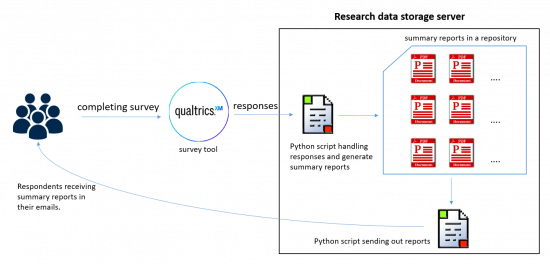
The survey questionnaire was designed on the Qualtrics platform, utilising the expertise of Dr Jerry Lai, another Intersect eRA based at Deakin University. The responses from the completed questionnaire are automatically analysed by a Python script written by Andrew to download the data, process the responses, and generate the summary reports in PDF format. The analysis undertaken by the script takes into account the individual responses in order to generate customised evaluations for inclusion in the reports. Another Python script was developed to handle the process of distributing the reports to the respective respondents. All the scripts and reports are stored securely in the Deakin University research data storage (RDS) server and a Unix cron job was configured on the server to trigger regular examination of the platform for new responses requiring analysis and report generation, ensuring there is no manual task involved in the entire assessment.
Outcome
This project had been implemented for Deakin University students to evaluate their work readiness level. So far, thousands of students in the Autumn and Spring sessions have been participating in the survey. The majority of respondents were from the Faculty of Health and some had just completed the internship program under Deakin FreelancingHub. In 2022, the WRS team plans to introduce this WRS survey into career education, where it is thought that there will be more students taking the survey. Without the automation, it is impossible to meet the high demand of the WRS reports. With the automation, thousands of reports can be generated in a day and respondents can receive the summary reports within half an hour of completing the survey.
Future Improvement
The WRS team is planning to improve user experience and engage a wider community by creating a website for anyone who is interested in the WRS survey to register and enrol in the survey. Andrew will be involved in this enhancement to ensure effective interaction between the automated scripts and the project website.
Work Readiness Scale (WRS) online assessment workflow at Deakin University.
Using REDCap to manage software licenses at Australian Catholic University
By Aidan Wilson | Feb 14th 2022
REDCap is a platform that is widely used in the non-profit research sector for secure and robust participant data collection, but it is also being used by many sites for more administrative functions. Aidan Wilson, Intersect’s eResearch analyst at ACU, has had years of experience building simple and complex REDCap projects for researchers.
After software vendors asked ACU to provide reporting on student usage of software applications, Intersect’s eResearch Analyst took advantage of REDCap to build a licence key and voucher management system. This new system automates the process to a large degree, and facilitates detailed reporting to software vendors, as well as allowing the University to contact students to inform them of updates to the licence.
Problem
Until recently, licences for NVivo and vouchers for SPSS were handled in different ways. To get access to NVivo, students would email the eResearch team, who would send the single licence key to the student’s email. To get access to SPSS, students would email the Research Systems team, who would validate that the student is a postgraduate researcher, and check to see whether enough vouchers remained for the year, before allocating a single voucher to the student and sending it to them via email.
Both of these processes contain some human decision making and thus risk errors. They also introduce some confusion as they are handled by different teams within the office. Furthermore, when asked by the vendor for the number of people who had been given the licence key for NVivo, staff would have to search through sent emails to find licencees.
These issues lead ACU and the Intersect eResearch Analyst, Aidan Wilson, to think up a new process.
Solution
Both applications’ licences are now managed in their own REDCap project. Students apply for a licence by filling out a simple survey and acknowledging the terms of the licence. Completing the survey triggers an email to ORS staff who then review the application. In the case of SPSS, REDCap maintains a list of vouchers and tracks which have been allocated, allowing ORS staff to assign a spare voucher to the applicant.
Once ORS staff have processed the request, the student is automatically emailed with the licence or voucher, as well as instructions on installing the software.
This system further simplifies ongoing administration and communication between the vendors and the students. Reports can be run at any time to generate a list of students who have been allocated licences, and the students can be sent follow up invitations to apply for a replacement licence when it becomes available. This reduces the overhead in replying to each student when the software informs them of their licence expiring.
Outcome
In working together with ORS staff, the eResearch Analyst was able to leverage existing tools and his own experience in process automation to alleviate manual effort of staff.
“Using REDCap to facilitate allocation of software licences to research students was a great suggestion from Aidan.” Reports Rod Lewis, Manager of Research Systems at ACU. “Typically we view REDCap as a tool for researchers to build research survey instruments so Aidan’s suggestion to support the administration of research with REDCap was quite a nice innovation. Not only has it helped streamline the process but Aidan was able to very quickly build the REDCap instruments, demo them and get us up and running. It’s great to have the process semi-automated and have all the requests and responses stored in one place.”
REDCap software license management system at ACU.
Research Data as a Service for Sydney Children’s Hospital Network (SCHN) Molecular Genetics
Sept 6th 2018
About
Molecular Genetics increasingly uses next generation genomic sequencing techniques to detect genetic anomalies at unprecedented resolution, generating massive data sets that are difficult to store, process and share. Intersect and the Sydney Children’s Hospitals Network (SCHN) Research Data as a Service (RDaaS) project massively improved turnaround time and space provides long-term storage for this data.
Outcomes
- Turnaround time reduced from 3 weeks to 2-3 hours
- Data retained in Australia, simplifying compliance with health legislation and NATA accreditation
- Time and cost saving through automation of data processing
- Improved data security through direct data transfer to and from hospital
- Bottomless storage allows guaranteed retention of all data for 5+ years
Research Data as a Service (RDaaS) workflow for SCHN Molecular Genetics.
Modelling Environmental Sensitivity
By Kyle Hemming | July 6th 2022
In response to the global threat of climate change, it becomes increasingly important to understand which geographic areas are most likely to be impacted by climate change. A PhD student at the University of Canberra is using stream invertebrates (caddis-, stone-, and mayflies) to understand how temperatures experienced over evolutionary timescales affects the tolerance to global warming.
Problem
Climates vary in daily, seasonal, and annual cycles, therefore the local species must tolerate all three in order to survive in a particular location. But which temperature regime is most important for understanding species’ thermal tolerance?
One hypothesis states that annual temperature range drives temperature tolerance: locations with a greater difference between the warmest (summer) and coldest days (winter) have species with greater thermal tolerances. As a consequence of this theory, organisms in thermally stable ‘tropical’ regions are predicted to have a narrower thermal tolerance and be more sensitive to warming compared to organisms from more variable ‘temperate’ regions.
Solution
The UC researcher used support from Intersect eResearch Analyst, Kyle Hemming, to compare models that tested the different theories using a variety of temperature sensitivity metrics and three taxonomic insect orders (caddis-, stone-, and mayflies). The model selection framework was developed using AIC scores (Akaike’s Information Criterion). Akaike’s Information Criterion compares the fit of multiple models to the same data – in this case, how well different temperature data link with community composition of the flies.
The AIC scores for the models are then ranked according to how well the temperature models fit the fly data, with the best model having the lowest AIC score. Importantly, AIC penalises more complex models, so that the model that describes the most amount of variation in the data, while also remaining relatively simple, gets the lowest (and best) scores.
Outcome
As a result of this model fitting framework, climate zone, elevation, and body size, as well as the temperature measures ‘annual temperature range’ and ‘annual maximum temperature’ were the best predictors for thermal tolerance for the three groups of stream insects.
The results of this analysis suggest that communities in stable, warm regions may be more sensitive to increases in temperature compared to communities in more variable temperate regions.
Stream invertebrate thermal tolerance analysis under climate change scenarios.
University of New South Wales ResTech: Cloud Pilot Scheme
By Abdullah Shaikh | July 1st 2022
Background
The University of New South Wales (UNSW) Research Technology Services (ResTech) Cloud Pilot Scheme aims to promote public cloud services. The pilot scheme supports ‘Proof-of-concept’ projects by providing funds for using Amazon Web Services (AWS). It is a pilot to assess the usage of public cloud platforms by the UNSW researchers to carry out their projects that involve the utilisation of GPUs, artificial intelligence, graphics and visualisation techniques.
The researchers must apply for the scheme using an Expression Of Interest (EOI) form, which UNSW ResTech experts assess before the grant of up to A$12,000 value of using AWS is approved.
Problem
UNSW ResTech is promoting its services to the researchers of non-STEM faculties this year. Communication and outreach activities focused on increasing the engagements with the faculty of Arts, Design and Architecture, Business, Medicine and Health, UNSW Canberra, and other non-STEM faculties.
Therefore, an underpinning goal of this Cloud Pilot Scheme for UNSW ResTech was to promote the use of cloud resources among the researchers of non-STEM faculties.
The Role of Intersect eRA and Cloud Experts
Abdullah Shaikh, Intersect’s eResearch Analyst who is placed at the UNSW ResTech team, advertised this scheme to UNSW researchers, mainly focusing on the researchers of non-STEM faculties. The challenge was to help the researchers identify and gain a better understanding of the use of cloud services in their research. Identifying the stakeholders and the potential researchers who were using the existing computing infrastructure such as NCI Gadi, UNSW Katana, and on-premises systems to do their research was another challenge.
The process involved identifying researchers, engaging with them to understand their work, and delineating whether cloud services could help them to carry out their research faster, more efficiently and effectively. Abdullah actively engaged with the faculty and school-level research support staff to utilise the internal faculty and school communication channels to broadcast and present the scheme to a broader audience.
Outcome
The response to the outreach activities resulted in several researchers showing interest in the scheme. Researchers wanted to know more about the scheme and whether their project is suitable for AWS. At this stage, the Cloud Experts from Intersect based at the UNSW (Peter Lee and Michael Grogan) met with the researchers to provide technical advice and consultation.
Abdullah, Peter, and Michael met with more than 25 researchers from non-STEM faculties to help them assess the suitability of their project against AWS. They also organised information sessions and seminars to explain the use of Cloud computing in research and shared the success stories of those who used the scheme. UNSW ResTech received several EOIs as a result of active engagement and outreach activities.
The pilot scheme has resulted in helping the researchers successfully transition from investing in buying their own “under the desk” GPUs and computing infrastructure to using AWS, which is scalable and on-demand. It has also enabled the researchers to utilise the right computing resources to carry out their research faster!
UNSW ResTech Cloud Pilot Scheme promoting public cloud adoption.
Supporting the Career & Research Skills Training Program at the University of Adelaide
By Marium Khan | Aug 10th 2021
Universities have a duty of care to equip Higher Degree by Research students (HDRs) with the skills required to build careers within and outside of academia. Underscored in the 2016 ACOLA Review, transferrable skills training is now an integral part of a contemporary research education program. The Career and Research Skills Training (CaRST) program is the University of Adelaide’s approach to deliver more comprehensive research training and career development for HDRs. Embedded into the graduate research degree and complementary to the main research project, CaRST incorporates eResearch skills training along with a number of other personal and professional skills that are valuable for success in the modern workplace.
The CaRST Method
CaRST is structured around the four domains of the Vitae Researcher Development Framework (RDF), namely:
- Domain A: knowledge & intellectual abilities
- Domain B: personal effectiveness
- Domain C: research governance and organisation
- Domain D: engagement, influence and impact.
The program implements a credit system for HDRs through which they can track their development across various domains and also incentivises them to diversify their skills. Credits can be gained by completing a variety of activities, including training and seminars organised by CaRST, industry engagement, and self-recorded activities such as external training.
Contribution by Intersect
Intersect conducts eResearch training courses and webinars across multiple tools and technologies that fall under Domain A in the CaRST framework. Therefore, as the University of Adelaide joined Intersect as a member, the Intersect eResearch Analyst (eRA), Marium Khan, along with the Intersect training team, worked closely with the CaRST team to ensure that the relevant Intersect training courses and webinars are integrated smoothly into their program. The Intersect eRA works in tandem with CaRST to schedule courses that are in high demand, have them added to the CaRST online booking systems, and disseminate information about upcoming courses through various channels. Intersect has also streamlined the process of reporting attendance at these courses to CaRST as well as automatically generating certificates of attendance that are required by attendees to record these activities for credit. This seamless integration of Intersect and CaRST processes was critical to provide HDRs with a smooth experience with minimal administrative overhead for the CaRST team.
In addition to providing training courses, the Intersect eRA has also contributed to CaRST’s internal reporting and data analysis. The eRA built live reports in the online BI tool, Yellowfin, to support the annual CaRST reviews. The reports track the progress of candidates as they go through the program including whether they are on track for completion based on their candidature year, as well as the distribution of credits across the various domains. The eRA also conducted a detailed analysis of CaRST data for 2020, exploring the trends across faculties, programs and candidature year of HDRs in the program.
Since October 2019, Intersect has provided training to over 560 UOA attendees who would have been eligible for a cumulative of up to 3200 CaRST credits under Domain A. The partnership with Intersect has greatly enhanced the capacity and capability of the University of Adelaide to provide knowledge and skills to its HDR students that would prove instrumental throughout their careers.
Developing an EDGE: Supporting Skills Development Training for HDRs
By Katherine Howard | Aug 9th 2022
The research landscape in Australia is changing. Calls for improved levels of research translation, commercialisation, and collaboration with industry have increasingly become the foundation of government policy, largely driven by the Watt Review in 2015. This in turn impacts doctoral education, with one of the key findings from the 2016 Australian Council of Learned Academies (ACOLA) Review highlighting that transferable skill development in Australian universities was not as well established when compared with our international counterparts.
The report also recognised that career options for HDR graduates have evolved to include more than the traditional academic roles, with many moving into both research and non-research roles in academic, business, government, and not-for-profit organisations. Indeed, many of the staff at Intersect have – or are very close to having – a PhD.
Considering this focus on transferable – or employability – skills, many universities have implemented a skills training framework for their PhD candidates, and the University of South Australia (UniSA) is no exception. Through their membership with Intersect, delivery of UniSA’s Enhancement of Doctoral Graduate Employability (EDGE) program is supported with first-class training of eResearch tools and technologies.
The EDGE Program
Unlike some programs of this type (e.g. CaRST at the University of Adelaide), there is no credit system to the EDGE program – that is, PhD candidates do not need a minimum number of credits to complete their EDGE program. Rather, students undertake a Development Needs Analysis (DNA), and in conjunction with a Career Coach, they craft a personalised development plan of webinars, workshops, and seminars to complement their PhD studies. There are some ‘required training’ courses, for example, in research ethics, but otherwise students are free to select what will benefit their studies and future employment ambitions the most.
The Intersect Involvement
As part of membership with Intersect, UniSA receives 15 days of training from Intersect’s expert trainers and eResearch Analysts across a wide range of topics, from beginner to advanced levels. As a new training provider to UniSA, we were conscious of the need to not increase the administrative burden on the staff already supporting the EDGE program, nor did we want that burden to pass to the eResearch Analyst. Although the EDGE program does not have a credit system, students still need to have their EDGE record updated with the activities they have undertaken in order to be officially acknowledged.
To this end, Intersect developed a fully automated Google Sheet with the names and academic unit (faculty) affiliation of all attendees, the course/s they registered for, whether they attended (or not), and finally their role/position (i.e. HDR (PhD/Masters), Post-doc, Academic etc.). The data is harvested from Eventbrite (the ticketing platform used by Intersect) and pushed to the Google sheet the following day. This collated data then allows the UniSA staff member to easily sort by role to ensure the students’ attendance has been recorded. A side benefit is that UniSA also has a rich source of data including FoR codes from which to interrogate if and when the need arises.
The Outcome
UniSA’s partnership with Intersect is off to a flying start, with 122 PhD candidates taking part in the seven courses offered so far since May this year. Coupled with the High Performance Computing (HPC) Allocation Service and continued expertise in research support, Intersect looks forward to being a part of shaping the next generation of researchers at UniSA.
UniSA EDGE skills development training session in progress.
Measuring Groundwater Recharge
Neha Sharma | 6th May 2024
Researchers from NSW, VIC and SA wanted to collaborate together on a data platform to gather different groundwater sensor data to enhance the activities and projects by making data available for researchers, government organisations, and national environmental data archives. Intersect provided software engineering services to the NGROS (National Groundwater Recharge Observing System) project to create an online system where researchers could upload, share and download this data.
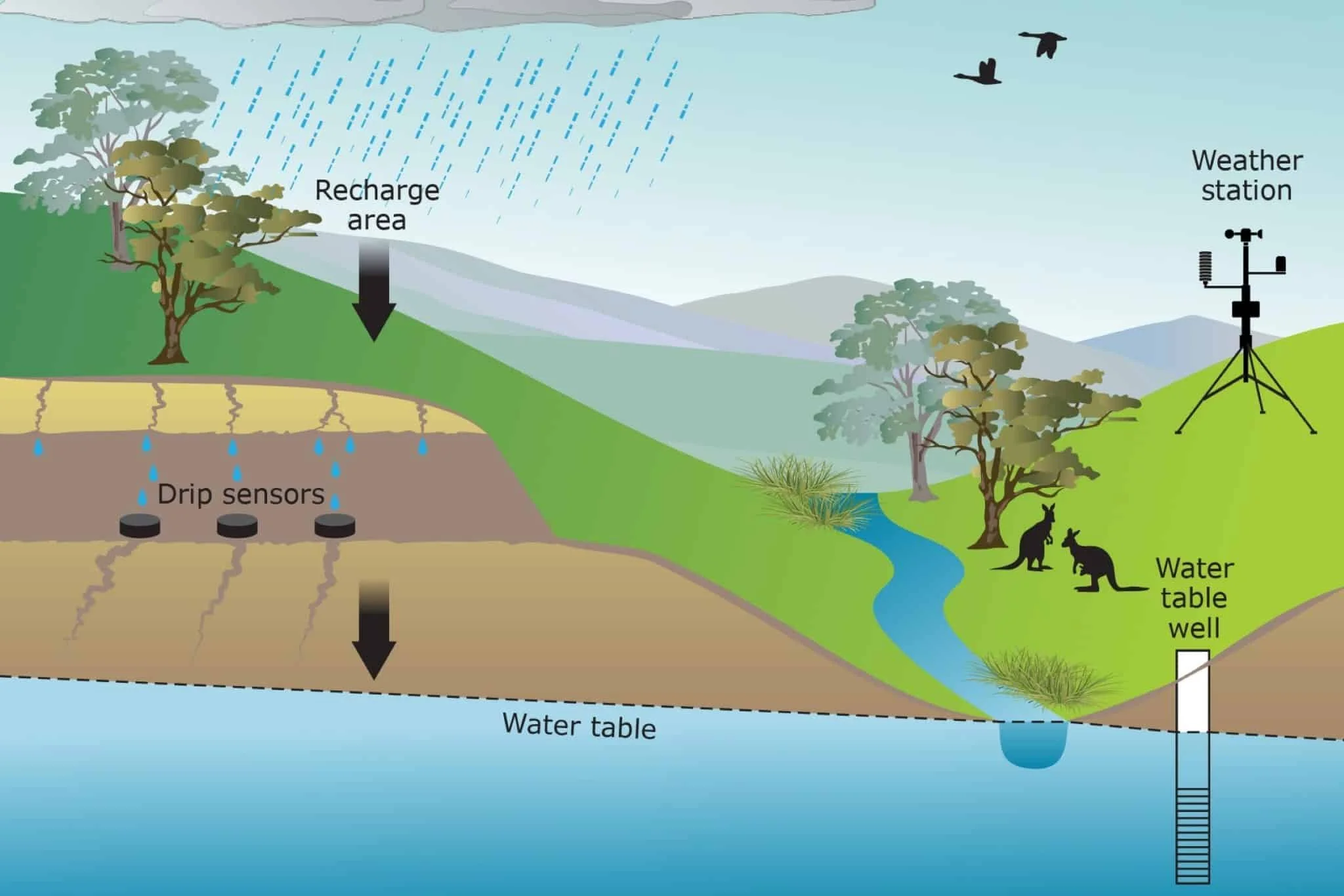
The NGROS system places sensors in tunnels, mines and other subsurface spaces to measure groundwater recharge over time, space and utilise locally available rainfall data to calculate “event-based” recharge following rainfall. Groundwater makes up around 17% of accessible water in Australia and accounts for more than 30% of total water consumption. The use of groundwater increased drastically over the course of the Millennium Drought, accounting for as much as 70% of irrigation water across the Murray Darling Basin.
This project was a joint effort between researchers from various universities and Intersect staff, including:
Researchers:
- Prof. Andrew Baker (UNSW)
- Dr. Margaret Shanafield (Flinders University)
- A. Prof. Martin Anderson (UNSW)
- Prof. Wendy Timms (Deakin University)
- A. Prof. Marilu Melo Zurita (UNSW)
- Dr. Stacy Priestley (CSIRO)
Intersect:
- Software Engineer – Jennifer Tam
- Business Analyst – Lisha Singh
- Project Manager – Siobhan Buckley
- Head of Technology – Craig Hamilton
We would also like to acknowledge the Australian Research Council for their support to the project.
Intersect’s Contribution:
Intersect helped UNSW create a Web based application with Time Series Database platform to collect ~1,600,000 data-points each year from sensors that measure groundwater statistics. This platform gives users the flexibility of uploading data files as new data is collected. They can also share and download their own data files based on the dataset they desire.
A. Prof. Martin Andersen, researcher from UNSW described working with Intersect similar to “going to a tailor”, to receive ‘customised results with attention to detail’ in this project, which helped successfully launch this project.
Together the entire team worked together over a period of 5-6 months to be able to design this project.
For more information about the project, please visit on the Article page.
Subsurface sensor installation for the National Groundwater Recharge Observing System (NGROS).
Reviewing the Implementation of Higher Education Curriculum in Indonesia
Burhanudin Syaifulloh and Kyle Hemming | 1st August 2024
Background
Ten years ago, the Indonesian government introduced the Higher Education Curriculum (HEC) with the aim to equip school and tertiary graduates with the skills to meet national and global demands.
Despite its intentions, the HEC is proving to be a challenge for lecturers to implement, as it can neglect the classroom-level realities of teaching.
University of Canberra PhD candidate Burhanudin Syaifulloh sought to explore lecturers’ experiences with HEC implementation in Indonesia, examining their perceptions, and how this varied across different demographics (e.g. experience, region, age).
Through this research, Burhanudin aimed to provide insights to support policymakers, stakeholders, and curriculum designers develop appropriate professional development programs and mechanisms to enhance the onground efforts and implementation of HEC and similar initiatives across Indonesia, and potentially even other countries.
Methodology
Burhanudin conducted a nationwide online survey with 368 English lecturers from 6 regions in Indonesia using a best-practice questionnaire, as well as online semi-structured interviews with 20 participants to delve deeper into their experiences and factors affecting the HEC implementation.
Challenges and Solutions
The COVID-19 outbreak brought unprecedented challenges in data collection and analysis. A significant challenge was selecting the right statistical tests to analyse the questionnaire data. A collaboration with Intersect’s Digital Research Analyst, Dr Kyle Hemming, was instrumental in resolving these issues. Discussions between Kyle and Burhanudin led to the selection of statistical tests like the independent-samples T-test and one-way MANOVA, enhancing the analysis of the questionnaire, to support the qualitative findings of the interviews.
Findings
Despite a decade of work, Burhanudin found lecturers have a limited understanding and low involvement in the HEC implementation. Further, Burhanudin found that, while lecturers are motivated to improve the implementation of HEC, they require further support in the form of professional development programs, facilities, funding, and clear guidelines. Providing such support can enhance their understanding and active involvement in implementing the HEC, thereby improving its effectiveness.
Conclusion
Burhanudin has recently submitted his PhD for examination, and this part of his doctoral thesis highlights the need for continuous support and efforts to ensure successful implementation of the HEC in Indonesia, and education curriculum initiatives in general. By recognising and addressing the challenges faced by lecturers, policymakers and stakeholders can enhance the HEC’s impact and better prepare graduates for the demands of the 21st century.
Indonesian Higher Education Curriculum research framework and findings.
Enhancing HPC Usage Efficiency by Building User Capability: A Collaboration between NSW DCCEEW and Intersect 3AI Platform
By Jiaxin Fan | Aug 22nd 2024
Background
During the 2023-2024 financial year, an initiative was established between Intersect’s Advanced Analytics and AI (3AI) Platform and the Science High-Performance Computing (HPC) team at the New South Wales Department of Climate Change, Energy, the Environment and Water (NSW DCCEEW, formerly known as NSW Department of Planning and Environment) led by Dr Qurat Tariq. This project aims to provide technical user support and training on the Science, Data, and Compute (SDC) platform – a Linux based HPC infrastructure crucial for scientific research across the NSW DCCEEW. This project was bolstered by Intersect’s decade-long experience in delivering top-notch digital skills training in conjunction with the expertise of 3AI’s Research Data Scientist, Jiaxin Fan, in providing HPC support.
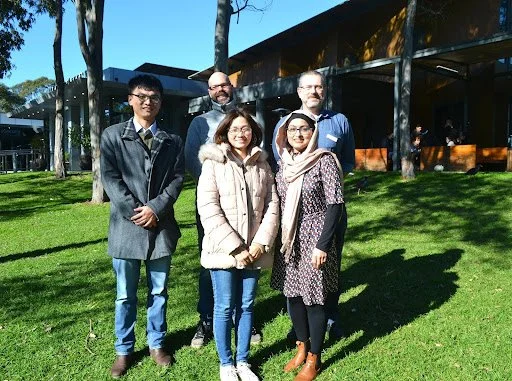
NSW DCCEEW Science High Performance Computing Team, June 2024.
Challenge
One of the main challenges faced by scientists was the knowledge gap they had for Linux and fundamentals of the HPC platform. Many users lacked sufficient IT and programming skills, resulting in both underutilisation of the HPC resources and reduced capability to perform scientific activities effectively. Dr Tariq explains:
“The science teams using the system were expanding and finding it difficult to get the new team members up to speed with skills required to use the system. Most novice users were relying on senior colleagues for guidance and SDC support.”
Solution
A comprehensive and multi-faceted program was implemented by the 3AI team to bridge the gap between the SDC capabilities and the users’ proficiency. The four major aspects included developing new user documentation, offering one-on-one support, running fortnightly Hacky Hour sessions, and facilitating digital skills training.
- Facilitating Digital Skills Training: Regular training sessions were delivered to enhance the scientists’ HPC literacy. These sessions covered a broad range of topics, from basic command-line skills to advanced data analysis techniques, ensuring users could maximise the use of the HPC platform.
- Developing New User Documentation: Clear, concise, and user-friendly documentation was created to guide users through the basic and advanced functionalities of the SDC. These documents included infrastructure overviews, step-by-step instructions, troubleshooting tips, and examples tailored to common scientific tasks.
- Offering One-on-One Support: Personalised support was provided to users through one-on-one sessions. These sessions catered for individual projects, ensuring that scientists received relevant assistance specific to the challenges they need addressing.
- Running Fortnightly Hacky Hour Sessions: To foster a community and facilitate knowledge sharing, fortnightly “Hacky Hour” sessions were introduced. These informal gatherings allowed users to ask questions, share experiences, and collaboratively solve problems related to the HPC platform.
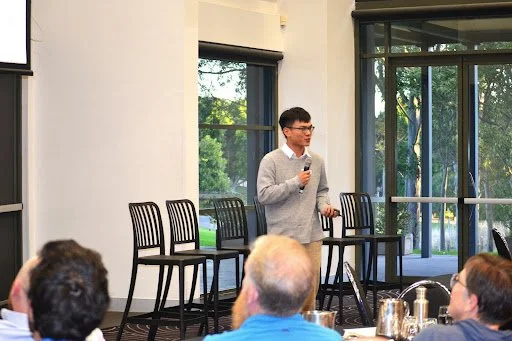 Jiaxin presented the outcome of the SDC user support program at the NSW DCCEEW Remote Sensing and Landscape Science Branch Day, June 2024.
Outcome
The initiative was well received by both the SDC management team and the SDC user group. Scientists reported greater confidence in using the HPC platform and a significant reduction in the time required to complete computational tasks. The community-building efforts through Hacky Hour sessions fostered a collaborative environment, encouraging peer-to-peer support and continuous learning. Dr Tariq emphasises,
“I think we were able to tackle the problem head-on with this muti-pronged approach. Offering courses was not going to be enough without the relevant context and follow up support. The combined effort has helped improve user experience and confidence.”
Recognising the value of the support and training program, the Science HPC team have decided to extend the initiative into the 2024-2025 financial year, ensuring ongoing support for its user community and sustained enhancement of scientific capabilities.
Bridging Data and Ethics: A Qualtrics Journey in Regional Graduate Research
Ankit Beniwal and Zuocheng Zhang | 5th September 2024
How international graduates from Australian universities manage the social and cultural challenges they face when transitioning to regional workplaces in Australia?
This is the central question driving the research by Dr. Zuocheng Zhang, a Senior Lecturer in English, Literacies, and Language Education at the University of New England (UNE). His study, titled Choosing to Stay: International Graduates’ Transition to Australia’s Regional Workplaces, seeks to unravel these complexities, offering fresh insights into the experiences of skilled migrants who are crucial to regional labour markets.
Dr. Zhang’s research faced significant challenges in reliably and ethically documenting the nuanced experiences of international graduates. Creating a Qualtrics survey that could effectively gather data while maintaining participant consent, anonymity, and adherence to strict ethical standards required a meticulous approach. The survey needed to seamlessly integrate the Information Sheet for Participants and the Consent Form at the beginning, and include a yes/no question to determine if participants wished to be contacted in the future, along with their contact details. Ensuring the anonymity of responses while collecting essential data added another layer of complexity. These technical and ethical demands presented substantial hurdles, necessitating careful attention to survey design, particularly in integrating consent forms and managing participant data.
To navigate these challenges, Dr. Zhang turned to Dr. Ankit Beniwal, Intersect’s Digital Research Analyst at UNE, for specialised guidance. Leveraging Intersect’s expertise, Dr. Beniwal collaborated closely with Dr. Zhang to address the unique technical and ethical complexities of the survey setup. Dr. Beniwal provided targeted support, guiding him through the intricacies of the Qualtrics platform. This included integrating consent forms, setting up participant information sheets, incorporating a yes/no question for participant consent, and ensuring accurate procedures for exporting and printing survey reports.
To further enhance the survey’s functionality and compliance, Dr. Beniwal facilitated the implementation of advanced display and skip logic features within Qualtrics, which was crucial for managing complex survey paths. The survey was finalised in an in-person session after importing the information sheet, applying the necessary skip logics, and creating a second survey for participants who wished to be contacted in the future.
Reflecting on the collaboration, Dr. Zhang remarked,
“Ankit’s help with Qualtrics is invaluable. His expertise and patience are both greatly appreciated. By setting up two surveys which are linked without allowing information from the first survey to be linked to that from the second, one satisfies a key ethics requirement.”
The collaborative efforts led to the successful setup of a robust Qualtrics survey solution that moved the research towards the data collection stage. This setup ensured compliance with ethical standards and alignment with the specific needs of Dr. Zhang’s study.
Following ethics approval, Dr. Zhang tested the surveys with three volunteers, confirming that responses were recorded correctly and providing assurance that the system was functioning as intended. Although there were minor issues with the Results dashboard in Qualtrics, the primary objective of accurate response recording was achieved. With the initial tests finished, Dr. Zhang has now launched the survey and begun the data collection phase.
Qualtrics Support for the “Repurposing Recovered Organic Materials as Alternate Raw Materials for Brick Production” Project
Jeff (Xingyong) Wang
Background
The project, “Repurposing Recovered Organic Materials as Alternate Raw Materials for Brick Production”, was initiated by Dr. Alireza Aghajani Shahrivar, Project Officer at the School of Engineering, Design, and Built Environment at Western Sydney University. The goal of this research project is to develop a sustainable process that repurposes composted municipal organic waste, such as food waste, for use in brick production. This innovative approach aims to reduce municipal waste sent to landfills, decrease greenhouse gas emissions, and reduce the energy required for brick manufacturing.
With a composting plant located in Eastern Creek and nearby brick kilns at Horsley Park, Sydney, the project holds the potential for immediate, real-world implementation. Once proven, this process could be adopted across Australia and globally, creating a significant environmental impact by diverting organic waste from landfills and reducing carbon emissions.
Challenge
The challenge was to design an effective survey to collect feedback from stakeholders, including government representatives, industry professionals, and community participants, to assess the feasibility of the new brick production technology. The complexity of the survey included questions about environmental impacts, economic viability, and potential challenges to scaling the technology.
Dr. Aghajani Shahrivar also faced the challenge of ensuring the anonymity, integrity, and completeness of the data throughout the survey process, given the need for dynamic question flows and respondent segmentation. This required a robust, reliable tool capable of managing the complex survey logic, including skip logic and branching.
Dr. Aghajani Shahrivar selected Qualtrics as the survey tool, but he was not fully familiar with its features and capabilities. As a result, some aspects of the survey did not perform as expected, and he encountered challenges in configuring certain elements. These issues necessitated external support to ensure the survey functioned correctly and met the research requirements.
Solution
To address these challenges, Dr. Jeff (Xingyong) Wang, Intersect’s Digital Research Analyst for Western Sydney University, provided comprehensive support in setting up and optimising the Qualtrics survey. This included:
- Survey Design: Tailoring survey questions to align with the research objectives, ensuring proper presentation of the Participant Information Sheet, and linking follow-up surveys while maintaining the anonymity of the primary survey data.
- Customisation: Configuring question types, incorporating branches into survey flow, adding quotas, and setting up customised survey messages.
- Testing: Conducting multiple rounds of testing to identify potential issues and refine the survey for accuracy, functionality, and user experience.
By designing a well-structured survey and guiding the researcher through the process of survey deployment and data collection, Dr. Jeff Wang helped ensure that the survey data would be reliable, complete, and actionable for their research analysis.
“Jeff’s expertise and guidance in setting up the Qualtrics survey were invaluable to our project. His quick response and readiness to address the challenges ensured that the survey was well-designed and functioned smoothly, allowing us to collect high-quality data critical to advancing our research objectives. We greatly appreciate his generosity, friendliness and always ready to help attitude.” — Dr. Alireza Aghajani Shahrivar
Outcome
The survey was successfully deployed and generated valuable feedback from stakeholders, directly supporting the research objectives. Its user-friendly design and logical flow ensured a high response rate and completion rate, enabling the researcher to proceed with their analysis of the feasibility of using composted organic materials in brick production.
The comprehensive support in survey setup and deployment helped streamline the process, allowing the researcher to dedicate more time on the analytical aspects of the project.
Qualitative Data Analysis (QDA) Seminars and NVivo Workshop at UNSW
Presented by Dr Heela Popal, Intersect Digital Research Analyst at UNSW
At the University of New South Wales (UNSW), there was a recognised need for training in qualitative data analysis (QDA) across the Humanities, Arts, and Social Sciences (HASS) disciplines. Dr Heela Popal (Intersect DRA at UNSW) responding to the UNSW DVCRE trainers’ requests for QDA trainings, scheduled a qualitative research methods seminars followed by hands-on NVivo trainings showing the application of these QDA methods in NVivo. These seminars and trainings aimed at upskilling researchers in the application of QDA techniques using NVivo.
The aim of these seminars and trainings, organised by Intersect’s Digital Research Analyst based at UNSW, Dr Heela Popal, was to provide HASS researchers with the foundational knowledge of QDA methods and practical experience with NVivo software to enhance their qualitative research capabilities. By introducing both the methodological framework and the software tools required for conducting rigorous qualitative analysis, the goal was to empower researchers with the necessary skills to apply these approaches to their own research projects.
The first component of the initiative was a series of two QDA seminars, designed specifically for HASS researchers. These seminars attracted a diverse group of participants from various disciplines, including medicine, business, social sciences, humanities, and arts.
The seminars covered:
- Key QDA methods, such as thematic analysis, Critical Discourse Analysis (CDA), and content analysis
- Strategies for coding qualitative data and identifying patterns within the data
- Approaches for analysing qualitative data from interviews, focus groups, and textual sources
The seminars were well-received, with participants expressing great interest in learning practical methods for handling qualitative data in their research. Attendees appreciated the structured yet flexible approach to qualitative methods and how these could be applied in digital tools like NVivo.
Following the seminars, a hands-on NVivo training was held to provide participants with practical experience in applying QDA methods using the software. The workshop, guided by Dr Heela Popal, focused on:
- Creating a blank project in NVivo
- Importing different types of file/data into this project
- Organising and managing qualitative data within NVivo
- Using coding and categorisation tools to analyse and interpret text-based data
- Visualising data patterns through NVivo’s analysis tools
- Generating word clouds and outputs that could support academic writing and publications
This interactive workshop allowed participants to gain confidence in using NVivo, empowering them to incorporate the software into their own research workflows. The ability to see how NVivo could streamline the process of qualitative data analysis while maintaining rigor was a major takeaway for many attendees.
The seminars and NVivo trainings received highly positive feedback from attendees, drawing significant attention from researchers not only in HASS but also in other faculties across UNSW. The success of these events highlighted the strong demand for more accessible and in-depth training in qualitative research methods.
As a direct result of these seminars and trainings, the QDA Teams community/group was established at UNSW, a collaborative initiative designed to provide ongoing support for qualitative researchers across disciplines. This community serves as a forum for researchers to share knowledge, resources, and experiences related to qualitative data analysis.
Key outcomes from the initiative included:
- The formation of the QDA Teams group/channel at UNSW fostering cross-disciplinary collaboration and continued learning in qualitative research methods.
- Widespread adoption of NVivo software among HASS researchers and those in other faculties at UNSW.
- Improved qualitative research practices, with researchers gaining both theoretical and practical knowledge of QDA methods with the demonstration of the application of QDA methods in NVivo software.
This group could act as a platform between faculties and the fostering of interdisciplinary collaboration in qualitative research.
Exploring healthy food accessibility in Australian online delivery platforms, based on socioeconomic and remoteness
Dr. Cindy Needham, Rebecca Bennett, Laura Alston, Dr. Christina Zorbas, Dr. Sachin Wasnik
Abstract
Background:
The food retail environment, a critical part of the overall food environment, refers to the physical access and availability of food retail outlets. It has a significant impact on dietary intake at a population level and is believed to contribute to the increasing prevalence of obesity and communicable diseases. For example, easy access to fast-food outlets in neighborhoods has been associated with higher consumption and purchasing of fast food. Further research and policy interventions are crucial to address these pressing issues.
Method:
An automated web scraping script was run daily over a period of three months to collect data from the top two online food delivery platforms in Victoria, Australia at the suburb level. We identified 11,154 unique food outlets from Menulog and 12,939 from Uber Eats. This study aimed to analyze the percentage of healthy, less healthy, and unhealthy food delivery outlets available and determine if there are differences based on suburb by measures of socioeconomic status and remoteness.
Result:
Descriptive statistics indicated that the healthiness of online food delivery outlets in suburbs with higher socioeconomic disadvantage and greater relative remoteness were more unhealthy outlets when compared to their urban and higher socioeconomic advantage counterparts.
Conclusion:
Disparities in the healthfulness of food outlets offered by online food delivery platforms (OFDPs) may adversely affect residents’ purchasing and dietary habits and their health. Ongoing monitoring and additional research is necessary to investigate the influence of OFDPs on public health and to inform nutritional policies that promote healthy communities.
Deep Learning for Text analysis
Sachin Wasnik, Ameeta Jain, Raghu Tirumala
Abstract
Introduction:
Qualitative studies often involve interviewing participants. The interviews are then transcribed into text from audio or video data. If there are many participants, it becomes cumbersome to read all the interviews and perform the required text analysis. One such study being conducted by the Department of Finance in the Faculty of Business and Law at Deakin University is seeking to understand the perceptions of employers, key workers, and other stakeholders regarding current and novel pathways to address the shortage of essential worker housing in regional areas in Australia. For this project, a total of 30 interviews were conducted.
Methods:
To perform text analysis on the transcription of these interviews, we have used deep learning computational models. The text corpus of each group of stakeholders was summarized using the Bidirectional Encoder Representations from Transformers (BERT) and Generative Pre-Trained Transformer (GPT). The summaries created by these models were read by researchers to identify the common themes in the text.
Results:
Using BERT and GPT has enabled the researcher to review the large corpus text in a very short time. The researchers were able to investigate the perceptions of stakeholders on housing availability and affordability in regional areas in Australia. Finally, it was possible to identify the challenges and opportunities to create an affordable housing program for essential workers in regional Australia.
Conclusion:
BERT and GPT have augmented the researcher’s ability to perform text analysis and answer the research questions. The presentation will demonstrate the BERT and GPT models on sample text.
Investigating peacebuilding approaches via NVivo
Xiaoying Wang
Background
Analysis of social media and ubiquitous data plays a critical role in humanities and social sciences these days with the prevalence of social media. Dr Arif Saba from Alfred Deakin Institute for Citizenship and Globalisation in the School of Humanities and Social Sciences, Deakin University, has such a research project which utilises social media data from X (Twitter) as its primary data source. The project seeks to analyse the contents of specified X accounts engaged in digital or public diplomacy through a detailed analysis of the negotiation between the Taliban and the US that led to the 2020 Agreement. The project aims to identify and analyse various discourses put forth by the negotiating parties during the peace process.
Challenge
It is challenging how to best utilise advanced digital technology such as NVivo to analyse X data to find out whether and to what extent the dataset includes key themes or pre-identified keywords under specified research questions and in what context they have been used, particularly for researchers whose expertise is in human and social science instead of advanced digital technology. It could be time-consuming and involve tremendous labour work to retrieve the relative information from thousands of X posts.
Solution
Dr Arif Saba was suggested to contact the digital research team at Deakin and found Dr Xiaoying Wang, a local Digital Research Analyst (DRA) placed by Intersect in the digital research team at Deakin University. Xiaoying suggested install and utilise the NCapture module (a free web-browser extension for Chrome that enables web content to be gathered and imported into NVivo) to collect posts from identified sources on X. She then presented and introduced NVivo functionalities such as identifying main themes by word frequency and retrieving keywords or themes through search queries so that related fragments of text are located and categorised to derive meaningful insights.
To collect and analyse the X data, Dr Saba utilized the NVivo software, which facilitated the downloading of tweets from the two X accounts – covering the period from November 2018 to October 2021. A total of n=677 and n=490 tweets from the selected X accounts were collected for analysis.
Outcome
The NVivo software played a crucial role in the analysis of the collected tweets. The utilisation of NCapture enables the automation of data collection from X in a quick manner. NVivo also facilitated the identification of key themes, and the contextual information surrounding the identified themes. Hence, meaningful insights buried in huge data can be derived efficiently, and significant time and labour can be saved at the same time. This case study demonstrates the efficiency that NVivo enhances in humanities and social sciences. Dr. Wang will continue working together with Dr Saba on the visualisation of changes in key themes over time using Excel bar charts.
“Intersect empowers researchers by guiding them to the right technology and supporting seamless implementation for impactful results!”
NVivo and NCapture workflow for analyzing digital diplomacy and peacebuilding data on X.
Pre-service teachers’ preparedness towards children with Special Education Needs: A Qualtrics Journey
Ankit Beniwal and Mandeep Kaur, September 2025
Background
How do pre-service teachers prepare to implement Inclusive practices for children with Special Education Needs (SEN) in early childhood classrooms? This is exactly the question that Ms Mandeep Kaur (Master of Education student) with her supervisor, Dr Leonardo Veliz (Senior Lecturer) from the School of Education, University of New England (UNE) planned to answer in her research project.
Mandeep aimed to leverage Qualtrics (a powerful online survey platform) for her research project. The primary objective was to equip Mandeep, a novice Qualtrics user, with the necessary skills and technical support to design, implement, and deploy a robust online survey for her data collection needs.
Challenge
Mandeep struggled with using Qualtrics for her research, stating the following:
“As a beginner, I was completely new to Qualtrics and felt unsure about where to start. The technical aspects hindered my ability to concentrate on the core of my research.”
As a beginner, she did not have the foundational knowledge to set up a new survey, incorporate diverse question types, manage survey flow, and ensure data quality. This limitation posed a hurdle in efficiently collecting reliable data for her project. Without proper guidance, Mandeep risked errors in survey design, leading to biased data, participant confusion, and ultimately, compromised research outcomes. The need for expert assistance was evident to overcome these technical hurdles and enable her to focus on the research content rather than the platform’s complexities.
Solution
With the above challenges, and leveraging UNE’s membership with Intersect Australia, Mandeep approached Dr Ankit Beniwal (Digital Research Analyst, UNE) to provide tailored, multi-session support and hands-on guidance. The initial session focused on the fundamentals, demonstrating how to access Qualtrics, create a new survey, add blocks, and incorporate various question types. Dr Beniwal also advised on utilising Qualtrics’ in-built reports for quick insights and potential usage of NVivo software to perform a more comprehensive analysis of open-ended responses.
Subsequent sessions focused on an iterative refinement of Mandeep’s survey. Dr Beniwal identified and rectified critical areas, such as advising against manual question numbering and adding a forced response text for Other options to improve the qualitative data. Crucially, Dr Beniwal also demonstrated the use of a Display Logic to ensure participants only saw relevant questions and guided her in integrating the Information Sheet for Participants and a Consent Form to ensure ethical compliance. The final session focused on testing all of the survey flows.
Dr Beniwal played a pivotal role as a specialised expert and technical partner, offering direct, hands-on support and imparting best practices for survey design, data integrity, and ethical considerations. This collaborative approach, characterised by clear advice and practical demonstrations, and built on Intersect’s existing digital research training program and learning resources, significantly enhanced Mandeep’s understanding and confidence in utilising Qualtrics for future projects. This ensured the project stayed on track and free from errors.
The support offered to Mandeep led to a successful design, build, and deployment of her Qualtrics survey, laying a robust foundation for data collection. The key benefits for Mandeep were self-sufficiency in utilising Qualtrics, an ethically compliant survey, improved data quality, streamlined data collection, and an efficient research workflow.
Mandeep expressed significant satisfaction with the support provided, feeling empowered and relieved to have navigated the complexities of Qualtrics through expert guidance, enabling her to progress her research efficiently and confidently. Mandeep reflected on the collaboration by saying the following:
“This journey not only gave me the skills to design and manage a Qualtrics survey, but also the confidence to take on future projects on my own. The step-by-step guidance from Dr Beniwal helped me move past my initial hurdles, and made sure my survey was effective and ethically sound. I now feel prepared with the practical knowledge and best practices that I can carry forward into my future studies and professional work.”
With the successful design and deployment of her Qualtrics survey, made possible through Intersect Australia’s tailored support, Mandeep is now well-equipped to delve deeper into her research question. With the technical hurdles overcome, she can now focus her attention on collecting and analysing the data, and contributing valuable insights to this important area of education.
Qualtrics survey implementation for pre-service teachers' Special Education Needs research at UNE.
Worldview & Onearth: NSW Department of Climate Change, Energy, the Environment and Water (DCCEEW)
NSW DCCEEW
Purpose:
The NSW Department of Climate Change, Energy, the Environment and Water (DCCEEW) wanted to provide air-quality forecasting layers for the monitoring, analysis and assessment of air-quality and extreme events in NSW. The tool was designed to assist forecasters’ decision making, as well as inform third parties such as NSW Health, the Rural Fire Services and the public. Intersect was tasked to provide a customized solution to fit Worldview & Onearth for its own requirements.
Key Insights:
The NSW DCCEEW’s Worldview & Onearth application provides the capability to interactively browse a set of forecast layers, fused with satellite imagery layers and allow downloading of the underlying data. New layers are added on a daily basis.
The application supports time-critical application areas under two categories such as Forecast Meteorology & Forecast Pollutants. It is used for daily air-quality forecasting and alerting of extreme events such as poor air-quality during planned burns, wood heaters and elevated levels of surface ozone. For example, layers being provisioned include:
Forecast Meteorology
- Temperature (K) – Surface
- Windspeed at 10m – Surface
- Wind Direction at 10m – Surface
- Rainfall (mm) – Surface
- Mixing Height (m) – Surface
Forecast Pollutants
- Carbon Monoxide – Surface
- Nitric Oxide – Surface
- Nitrogen Dioxide – Surface
- Ozone – Surface
- Particulate Matter 2.5um – Surface
- Sulphur Dioxide – Surface
Our Solution:
The solution is based on Worldview & Onearth which provides an interactive interface for browsing full-resolution, global satellite imagery. Intersect’s Engineering team provided a customised, production-ready Worldview & Onearth application on the AWS cloud platform for use on NSW DCCEEW’s Science, Data and Compute platform (SDC). The Intersect’s Engineering team provided the following services to customise the existing NSW DCCEEW Worldview & Onearth application:
- Deployment of the application to AWS Cloud environment using EKS, Lambda, Cloudfront, CDK and other AWS services
- Automated the deployment of regular update of the data for NSW domain
- Branded the application to NSW DCCEEW styling
- Upgraded application versions
At Intersect, we work across a range of AWS cloud technologies to build, deploy, and optimize scalable cloud-native solutions. Key contributions included:
Infrastructure as Code with AWS CDK
Developed and maintained robust infrastructure using AWS CDK (Cloud Development Kit), enabling repeatable, version-controlled deployments across environments. This included automating network configurations, storage provisioning, and compute orchestration.
Kubernetes Orchestration on AWS EKS
Designed and deployed Kubernetes templates for containerized microservices powering Onearth’s core offerings—Tiles, Time, and Capabilities services. Deployed these workloads on AWS Elastic Kubernetes Service (EKS), ensuring high availability, auto-scaling, and seamless CI/CD integration.
Data Transfer Automation from S3 to EFS using Lambda
Engineered an event-driven data pipeline using AWS Lambda to automatically move and synchronize geospatial data from S3 buckets to EFS (Elastic File System) mounts. This streamlined access for compute-heavy workloads needing persistent storage.
Content Delivery with Amazon CloudFront
Configured CloudFront distributions to enable secure and efficient public access to geospatial assets. Leveraged caching, edge locations, and signed URLs to enhance performance and scalability for global users.
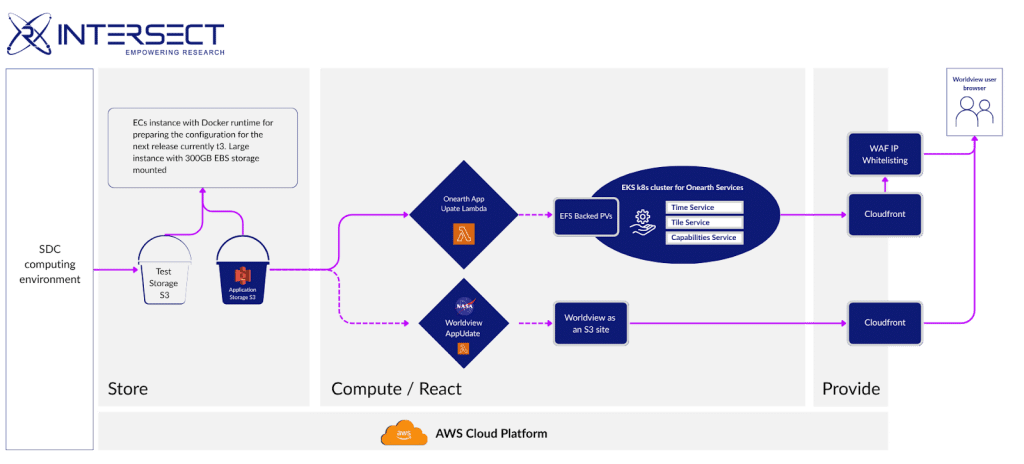 NSW DCCEEW's data flow diagram.
Summary:
Intersect’s Engineering team built a tailored version of Worldview and Onearth applications for the NSW Government’s Department of Climate Change, Energy, the Environment and Water (DCCEEW). This solution was set up on Amazon Web Services (AWS) to help manage and share environmental data effectively.
Intersect…
- moved the application to the cloud: Set up the Worldview and Onearth tools on AWS using technologies like Kubernetes (EKS), Lambda, and CloudFront to make the system reliable and scalable.
- automated data updates: Created a system to regularly update environmental data for New South Wales without manual effort.
- customized the look: The application was redesigned to match NSW DCCEEW’s branding.
- updated the software: Upgraded the application to the latest version for better performance.
NSW DCCEEW Worldview application interface.
SDC Kubernetes Cluster Re-launch and Support
Technology Solutions for your Research
Background
The Intersect engineers are engaged with NSW Department of Climate Change, Energy, the Environment and Water (the department) Climate and Atmospheric Science and Science Data Compute Staff and the NSW Department of Planning, Housing and Infrastructure (NSW DPHI) Digital Information Office (DIO) staff to continuously support the release of iteratively produced NSW and Australian Regional Climate Modelling (NARCliM) project climate projections generations (NARCliM2.0) on NSW Climate Data Portal (the Portal) while this web application progressed from beta stage to production stage.
While supporting this transition process, all the backend services of the Portal (internal services), THREDDS Data server (TDS) and SDC API (data processing and transferring services) needed to be reviewed, adjusted and migrated to the new clusters in alignment with the current security and application requirements from all stakeholders.
Where we were
- NSW Climate Data Portal web application was publicly released in September 2025.
- The production version of Portal needed to be deployed within a DIO managed AWS environment meeting their governance mandate.
- SDC infrastructures for Kubernetes have evolved over the years in parallel as new NARCliM generations were prepared.
How we supported the Re-launch
- Make sure the architecture design is implemented correctly and communicate important changes and bugs to stakeholders before adjusting to accommodate any technical changes during the transition.
- Uphold a stable SDC API specification and consistent code implementation, so the dataset subsetting and uploading workflows maintain efficient and consistent performance servicing all the NARCliM data requests.
- Tested and refined the Kubernetes templates for deployment on SDC infrastructures against newly established Kubernetes clusters.
What we offer
We Intersect engineers offer a wide spectrum of technical support on platforms such as AWS and Kubernetes. Particularly, we like to highlight the following expertise for this project:
- Data API design and implementation
- Technical gap analysis and management
- AWS services integration
- Rancher Kubernetes design and implementation
- Networking & Application security
- Continuous improvement for an integrated system
Outcome
- Successful go-live of NSW Data Climate Portal production site: https://climatedata.environment.nsw.gov.au
- Successfully verification of the end-to-end workflows for all deployments of the latest NSW Data Climate Portal backend services on SDC established Kubernetes clusters to DIO hosted AWS instances
Summary
Intersect served as the technical engine behind the successful transition of the NSW Climate Data Portal from a beta pilot to a robust, high-performance production platform. By modernising complex backend services and harmonising data workflows with enterprise-grade security standards, we ensured the seamless integration of NARCliM2.0 climate projections into a stable, cloud-based environment. This collaboration culminated in a successful live launch, providing a verified, end-to-end system that delivers reliable and secure climate intelligence to the public and government stakeholders alike.